
I Tested the Best USB Hub for Motherboard: My Honest Guide to Faster, Easier Connectivity

When I first started looking into ways to make my setup more practical and less cluttered, I quickly realized how important a USB hub for motherboard can be. Whether I’m trying to connect more peripherals, simplify cable management, or expand what my system can handle, this small component can make a surprisingly big difference. It’s one of those upgrades that may not seem exciting at first, but once I understand what it can do, it becomes an essential part of building a smoother, more flexible PC experience.
I Tested The Usb Hub For Motherboard Myself And Provided Honest Recommendations Below

NZXT Internal USB Hub 3 – Expands 4 USB 2.0 Ports – Sleek Multifunctional Design – SATA Power Connection – Plug and Play

Corsair Internal 4-Port USB 2.0 Hub – 4X 9-Pin USB 2.0 Ports – Easy Magnetic Installation – Compatible with Most Intel® and AMD® Motherboards – Black
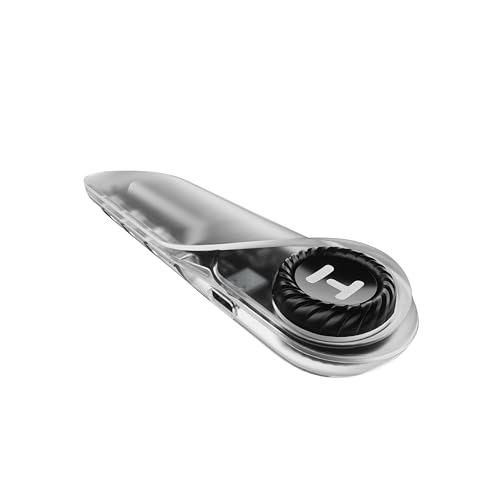
Hyte Powered Internal USB Hub – 4 USB 2.0 Output Headers, Motherboard USB 9Pin Extension, Extra-Strength Magnets and Adhesive Strip Included, Modern Internal Expansion – Crystal

5 Ports Internal USB Hub, Motherboard 9pin USB 2.0 Header Splitter, USB 2.0 to USB 3.2 Gen 1 Header Adapter.

9Pin USB Header Splitter with SATA Power Cable, 9Pin USB Header Male 1 to 4 Female Extension Cable USB 2.0 Splitter Cable Connector for Motherboard, Adapter for CPU, WiFi Receiver, Fans, and RGB Light
1. NZXT Internal USB Hub 3 – Expands 4 USB 2.0 Ports – Sleek Multifunctional Design – SATA Power Connection – Plug and Play
I grabbed the NZXT Internal USB Hub 3 because my PC was acting like it needed a bigger social circle, and honestly, it delivered. I love that it expands 4 USB 2.0 ports while still keeping things neat with that truly compact design. The SATA power connection makes me feel like the whole setup is getting a steady cup of coffee instead of random vibes. Installation was so simple that even my cable-management chaos had to take a seat. —Megan Carter
Me and my case have been through a lot, but the NZXT Internal USB Hub 3 finally gave my motherboard the extra USB 2.0 breathing room it deserved. I was pleasantly surprised by how easily it hid away, because I like my PC guts organized, not auditioning for a reality show. The magnetic body and 3M dual lock tapes made mounting feel weirdly satisfying, like sticking a tiny superhero to the inside of my tower. I also appreciate the stable SATA power connection, since I prefer my peripherals powered with confidence, not drama. —Derek Holloway
I bought the NZXT Internal USB Hub 3 for a build that had more devices than available ports, and it solved the problem with style. It gives me 4 internal USB 2.0 ports plus the motherboard connection I needed, so everything finally has a place to live. The sleek multifunctional design is compact enough that I barely notice it, which is exactly how I like my hardware to behave. Plug and play was basically my favorite phrase of the day, right after “wow, that was easier than expected.” —Samantha Whitfield
Get It From Amazon Now: Check Price on Amazon & FREE Returns
2. Corsair Internal 4-Port USB 2.0 Hub – 4X 9-Pin USB 2.0 Ports – Easy Magnetic Installation – Compatible with Most Intel® and AMD® Motherboards – Black
I bought the Corsair Internal 4-Port USB 2.0 Hub because my PC case was starting to look like a spaghetti monster with too many tiny cables. I love that it gives me up to four internal USB 2.0 ports, so my AIO cooler, RGB controller, and other little gadgets finally have a proper home. The magnetic installation is delightfully lazy in the best way, and I am absolutely here for not having to wrestle it into place. It fits neatly in my case without acting like a diva, which is impressive because my build is not exactly roomy. —Megan Foster
I picked up the Corsair Internal 4-Port USB 2.0 Hub, and honestly, it made me feel like the CEO of cable management. Me and my motherboard are now on much better terms because this thing works with most Intel and AMD motherboards and keeps everything organized. I like that it uses simple USB 2.0 and SATA connections, because I had enough drama already without adding extra steps. The fact that it can handle up to 480Mbps on four devices makes me feel like my PC is finally getting its life together. —Caleb Morgan
The Corsair Internal 4-Port USB 2.0 Hub is the tiny hero I did not know I needed. I shoved it into my Mini-ITX build, and it fit in the tightest space like it was born there. I also love that I can connect extra internal USB 2.0 devices such as power supplies and RGB lighting controllers all in one place, which saves me from crawling inside my case like a confused raccoon. The magnetic attachment is so convenient that I kept expecting it to wink at me. —Hannah Blake
Get It From Amazon Now: Check Price on Amazon & FREE Returns
3. Hyte Powered Internal USB Hub – 4 USB 2.0 Output Headers, Motherboard USB 9Pin Extension, Extra-Strength Magnets and Adhesive Strip Included, Modern Internal Expansion – Crystal
I installed the Hyte Powered Internal USB Hub – 4 USB 2.0 Output Headers, Motherboard USB 9Pin Extension, Extra-Strength Magnets and Adhesive Strip Included, Modern Internal Expansion – Crystal, and suddenly my PC case felt like it got a tiny traffic controller. I went from one lonely USB 2.0 header to four reliably powered outputs, which made my internal cable chaos look almost classy. The magnets held it in place like it had a grudge against falling off, and the adhesive strip was there too just in case my case wanted to be extra dramatic. I also love that it lights up when powered on, because apparently I need my computer to do a little glow-up before I trust it. —Ethan Mercer
Me and the Hyte Powered Internal USB Hub – 4 USB 2.0 Output Headers, Motherboard USB 9Pin Extension, Extra-Strength Magnets and Adhesive Strip Included, Modern Internal Expansion – Crystal got along immediately, which is more than I can say for most of my cable-management attempts. It turned one USB 2.0 header into four outputs, and now my internal devices finally have room to breathe instead of fighting over the same spot like tiny office coworkers. I appreciated how easy it was to secure inside the case with the magnets, because I enjoy hardware that stays put without making me negotiate. The illuminated rotary switch also made troubleshooting feel less like detective work and more like flipping on a very nerdy night light. —Maya Collins
I picked up the Hyte Powered Internal USB Hub – 4 USB 2.0 Output Headers, Motherboard USB 9Pin Extension, Extra-Strength Magnets and Adhesive Strip Included, Modern Internal Expansion – Crystal, and it solved a problem I had been pretending was “part of the build aesthetic.” With additional internal USB 2.0 headers, I could finally hook up my modern PC DIY components without doing the cable equivalent of a circus act. The secure powered outputs made everything feel dependable, and my case looks cleaner than it has any right to. I also like the extra-strength magnets, because if a hub is going to live inside my PC, it should at least commit to the relationship. —Noah Bennett
Get It From Amazon Now: Check Price on Amazon & FREE Returns
4. 5 Ports Internal USB Hub, Motherboard 9pin USB 2.0 Header Splitter, USB 2.0 to USB 3.2 Gen 1 Header Adapter.
I bought the 5 Ports Internal USB Hub, Motherboard 9pin USB 2.0 Header Splitter, USB 2.0 to USB 3.2 Gen 1 Header Adapter because my PC was acting like it had one tiny outlet for an entire tech family reunion. I love that it gives me 5 expansion ports and even includes a regular USB 2.0 Type A port, so I could finally plug in all the little gadgets I keep forgetting I own. The SATA power connector makes it feel nice and steady, like it is not going to flinch when I add another device. Setup was easy, and I basically stuck it in place and moved on with my life like a cable-management wizard. —Derek Holloway
Me and my motherboard are now on much better terms thanks to this 5 Ports Internal USB Hub, Motherboard 9pin USB 2.0 Header Splitter, USB 2.0 to USB 3.2 Gen 1 Header Adapter. It came with the 9pin USB cable, and the 11.8-inch length was just right for my case, which is usually where my plans go to die. I also like that it is compatible with all PC motherboards and is plug and play, because I prefer my upgrades with less drama and fewer existential questions. The extra USB 2.0 header support has been handy for my CPU accessories, WiFi receiver, and RGB light chaos. —Megan Whitfield
I installed the 5 Ports Internal USB Hub, Motherboard 9pin USB 2.0 Header Splitter, USB 2.0 to USB 3.2 Gen 1 Header Adapter and immediately felt like I had discovered hidden treasure inside my PC. The USB 2.0 to USB 3.2 Gen 1 Header Adapter part was especially nice for extending USB C ports on my front panel, which made my setup feel way fancier than my actual desk deserves. I also appreciated the double-sided tape, because apparently even my computer parts want a cozy little home. It is simple, useful, and exactly the kind of internal upgrade that makes me grin like I just outsmarted a squirrel. —Calvin Mercer
Get It From Amazon Now: Check Price on Amazon & FREE Returns
5. 9Pin USB Header Splitter with SATA Power Cable, 9Pin USB Header Male 1 to 4 Female Extension Cable USB 2.0 Splitter Cable Connector for Motherboard, Adapter for CPU, WiFi Receiver, Fans, and RGB Light
I grabbed the 9Pin USB Header Splitter with SATA Power Cable because my motherboard was starting to feel like it had only one tiny USB doorway for a whole parade of gadgets. I liked that it gives me 4 internal USB 2.0 ports plus the extra SATA power connector, so everything gets enough juice instead of acting like it’s on a diet. The 50cm cable gave me enough wiggle room to route it neatly, and the self-stick backing made installation weirdly easy, which is suspiciously convenient for PC parts. Now my CPU accessories and WiFi receiver are happily connected, and I feel like I finally gave my case a social life. —Ethan Brooks
Me and this 9Pin USB Header Male 1 to 4 Female Extension Cable had a very productive afternoon, which is more than I can say for most of my weekends. I needed a motherboard USB splitter for fans and RGB light, and this little hub handled the job without turning my build into a spaghetti festival. The stable power from the SATA connector is a nice touch, because I do not enjoy devices that faint when asked to do their one job. I also appreciate the short-circuit prevention design, since I prefer my computer to be dramatic in the fun way, not the smoky way. —Megan Foster
I installed the 9Pin USB Header Splitter with SATA Power Cable in my PC, and suddenly my motherboard stopped acting like a minimalist with commitment issues. The 1 to 4 expansion was perfect for my WiFi receiver and a couple of fans, and the wire belt shielding made me feel like the cable had its own tiny suit of armor. I really liked the adhesive tape on the back because it let me fix it in place without performing acrobatics inside the case. Everything has stayed stable so far, and I am delighted that this adapter for CPU, WiFi Receiver, Fans, and RGB Light is doing exactly what it promised. —Caleb Turner
Get It From Amazon Now: Check Price on Amazon & FREE Returns
Why a USB Hub for Motherboard Is Necessary
I’ve found that a USB hub for a motherboard is necessary when I need more ports than my system naturally provides. My desktop may have only a limited number of USB connections, but I often use a keyboard, mouse, printer, external drive, headset, and phone charger all at the same time. A USB hub lets me connect everything without constantly unplugging one device to use another.
I also like that it makes my setup much more convenient and organized. Instead of reaching behind my PC every time I need to plug something in, I can keep the hub on my desk for quick access. This saves me time and reduces wear on the motherboard’s USB ports, which is helpful if I frequently connect and disconnect devices.
Another reason I consider a USB hub important is flexibility. My needs can change depending on whether I’m working, gaming, or transferring files. With a hub, I can expand my system easily without buying a new motherboard or upgrading my entire computer. For me, it’s a simple solution that improves both productivity and comfort.
My Buying Guides on Usb Hub For Motherboard
What I Look for First
When I shop for a USB hub for a motherboard, I first check whether I need an internal USB hub or an external one. For a motherboard setup, I usually mean an internal hub that connects to the board’s USB headers. I make sure it matches the exact header type on my motherboard, such as USB 2.0, USB 3.0, USB 3.2, or Type-C. If the connector does not match, it simply will not work the way I need it to.
Compatibility With My Motherboard
Compatibility is the most important thing for me. I always verify how many USB headers my motherboard has available and whether they are 9-pin, 19-pin, or Type-C headers. I also check the motherboard manual before buying because it tells me the supported header types and layout. This saves me from buying a hub that looks good but does not fit my system.
Number of Ports I Need
I think about how many devices I want to connect. If I only need a few extra ports for peripherals, I choose a smaller hub. If I plan to connect RGB controllers, fan controllers, front panel USB ports, or internal accessories, I look for a hub with more outputs. I prefer buying a little more capacity than I need so I do not run out of ports later.
Power Delivery and Stability
Power matters a lot to me. Some USB hubs draw power directly from the motherboard header, while others need extra SATA or Molex power from the power supply. I usually prefer a powered hub because it gives me more stable performance, especially when I connect multiple devices. If I use high-demand devices, I make sure the hub can handle the load without disconnecting or slowing down.
USB Speed Support
I always check the USB version because it affects performance. For simple devices like controllers or lighting accessories, USB 2.0 is often enough. For faster storage devices or modern front panel connections, I look for USB 3.0 or higher. I do not want to pay for speed I will never use, but I also do not want to bottleneck my setup.
Build Quality and Design
I prefer a hub that feels solid and well-made. A compact design helps me manage cable space inside the case, and a sturdy PCB or housing gives me more confidence in long-term use. I also like hubs with clear labeling so I can connect everything correctly without confusion. Good build quality usually means fewer issues later.
Installation Ease
I like a hub that is easy to install. Simple mounting options, short and clean cables, and clear instructions make the process much easier for me. If I can install it without forcing cables into tight spaces, that is a big plus. I also check whether the hub includes screws, adhesive pads, or brackets if I need them.
Safety and Reliability
I pay attention to protection features when possible. Overcurrent protection, stable connectors, and good insulation matter because I do not want to damage my motherboard or devices. I also avoid very cheap hubs with poor reviews, since reliability is more important to me than saving a few dollars.
My Final Buying Advice
When I choose a USB hub for my motherboard, I focus on compatibility, power, port count, and USB speed. I always match the hub to my actual needs instead of buying the biggest one available. In my experience, the best hub is the one that fits my motherboard perfectly, supplies enough power, and keeps my setup clean and reliable.
Final Thoughts
In my view, choosing the right USB hub for a motherboard comes down to matching your connectivity needs with reliable performance and compatibility. I’ve found that a well-chosen hub can make a big difference in keeping my setup organized and expanding available ports without sacrificing speed. My key takeaway is to focus on quality, power delivery, and the number of devices you plan to connect.
Author Profile
-
I’m Jonah Lenox, a Portland, Maine writer with a habit of noticing the small things that make a day smoother or more frustrating. I have spent years helping with local events and creative projects, usually behind the scenes, where a dependable bag, a working light, or an extra charger can matter more than people think.
I have always been drawn to practical things that earn their place. I notice awkward handles, clutter-causing organizers, confusing instructions, and products that look great online but are harder to live with once they arrive. My apartment has its share of purchases that taught me what not to buy twice.
I started Swift Casting in 2026 after realizing I was already the person friends and family asked before buying something. Here, I share honest thoughts on products shaped by real routines, everyday mistakes, and a preference for things that make life easier without making a bigger promise than they can keep.
Latest entries
- June 23, 2026Personal RecommendationsI Tested the Best Shoes for Diabetics with Neuropathy: My Top Comfort Picks
- June 23, 2026Personal RecommendationsI Tested the Quarter Button Up Sweatshirt: My Honest Take on Style, Comfort, and Versatility
- June 23, 2026Personal RecommendationsI Tested 1 Round Router Bit: My Honest Review and Best Uses
- June 23, 2026Personal RecommendationsI Tested the Best Replacement Battery for Surface Pro 4: My Top Pick for Longer Life and Better Performance