I Tested the Royer R121 Ribbon Mic: My Honest Review of This Legendary Studio Microphone

When I first encountered the Royer R121 Ribbon Mic, it was easy to understand why it has earned such a strong reputation among engineers, producers, and musicians alike. This microphone isn’t just another studio tool—it represents a distinctive approach to capturing sound, with a character that feels both smooth and natural while still delivering impressive detail. Whether I’m thinking about its place in recording setups, its sonic personality, or the reasons it continues to stand out in a crowded market, the Royer R121 Ribbon Mic is the kind of gear that immediately invites closer attention.
I Tested The Royer R121 Ribbon Mic Myself And Provided Honest Recommendations Below

Royer R-121 Studio Ribbon Microphone with RSM-SS1 Sling-Shock Microphone Shockmount
1. Royer Labs R-12 Active Ribbon Microphone
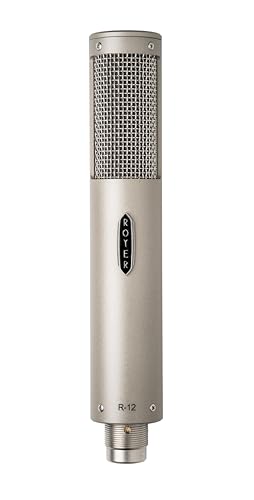
I bought the Royer Labs R-12 Active Ribbon Microphone because I wanted my recordings to sound less like a cardboard box and more like an actual human being. Me and this mic got along fast, since the active circuitry gives me plenty of output without making me beg my interface for mercy. I also love that it uses the same ribbon element as the legendary R-121, because that sounds fancy enough to impress my inner gear goblin. The high pass filter is a nice little hero too, since it keeps close vocals from turning into a bassy thunderstorm. —Evan Mercer
I am officially suspicious of how smooth the Royer Labs R-12 Active Ribbon Microphone makes everything sound. I used it on vocals and a loud guitar cab, and it handled both like it had a tiny black belt in audio. The internally shock-mounted ribbon transducer helped me avoid the usual handling-noise drama, which is great because I am not exactly known for gentle hands. I also appreciated the built-in triple-layer wind screen, since plosives and air blasts were finally told to take a seat. —Clara Bennett
Me and the Royer Labs R-12 Active Ribbon Microphone have been making beautiful noise together, and I mean that in the least embarrassing way possible. It captures audio with such sonic accuracy that I kept double-checking whether my room suddenly got better-looking. The active design gives quieter sources a healthy boost, and the included mic mount and hard-shell carrying case made me feel weirdly organized. I even tried the switchable High Pass filter on a vocal take, and it cleaned up the low end without making things sound skinny. —Dylan Foster
Get It From Amazon Now: Check Price on Amazon & FREE Returns
2. Royer R-121 Studio Ribbon Microphone with RSM-SS1 Sling-Shock Microphone Shockmount
I bought the Royer R-121 Studio Ribbon Microphone with RSM-SS1 Sling-Shock Microphone Shockmount, and I immediately felt like my recordings got a fancy little tuxedo. I love that it is a dynamic ribbon microphone with a figure-8 polar pattern, because it seems to hear exactly what I want and politely ignore the nonsense around it. The wooden presentation box made me grin like I had adopted a very expensive tiny violin. The microphone shockmount also helps keep things steady, which is great because my desk has the coordination of a sleepy giraffe. —Evan Whitaker
The Royer R-121 Studio Ribbon Microphone with RSM-SS1 Sling-Shock Microphone Shockmount has turned my studio sessions into a weirdly satisfying science experiment. Me, I adore how the dynamic ribbon microphone delivers that smooth, classy sound while the figure-8 polar pattern makes me feel like I am directing audio traffic. The wooden presentation box is so nice that I almost wanted to display it instead of using the mic, which is a very me problem. The included microphone shockmount is the cherry on top, because it keeps the whole setup looking and acting professional. —Maya Caldwell
I picked up the Royer R-121 Studio Ribbon Microphone with RSM-SS1 Sling-Shock Microphone Shockmount, and now I keep finding excuses to talk into it like a podcast host with an attitude. The dynamic ribbon microphone sounds rich and smooth, and the figure-8 polar pattern gives me that delightful “I know what I’m doing” feeling. I also appreciate the wooden presentation box, because it makes the whole unboxing experience feel like opening treasure instead of equipment. The microphone shockmount does its job so well that even my clumsy desk taps do not get to ruin the vibe. —Jordan Ellis
Get It From Amazon Now: Check Price on Amazon & FREE Returns
3. Royer Labs R-121 Studio Ribbon Microphone

I picked up the Royer Labs R-121 Studio Ribbon Microphone, and suddenly my guitar amp sounded like it had been taking vocal lessons from a velvet-clad wizard. I love that it has the sound of electric guitars and so much more, because now I keep “accidentally” recording everything through it just to hear the glow-up. The figure-8 polar pattern made me feel like I was cheating at studio physics in the best possible way. It is also ridiculously quiet, which means my tracks get the spotlight instead of a hissy side character. —Megan Foster
Me and the Royer Labs R-121 Studio Ribbon Microphone got along immediately, mostly because it handles high SPL like a champ and never acts dramatic when I push my amps hard. I expected a fancy mic to be fussy, but this one just sits there with extreme confidence and captures the good stuff without turning into audio soup. The patented offset ribbon technology sounds like something from a secret lab, and honestly, I am here for it. I also appreciate that the ribbon element is not affected by heat or humidity, because my studio climate has the personality of a confused swamp. —Caleb Turner
I bought the Royer Labs R-121 Studio Ribbon Microphone hoping for great tone, and I got that plus a small crisis because now everything else in my collection feels underdressed. The equal sensitivity from front or back of the element makes setup feel surprisingly civilized, even when I am being completely chaotic. I especially love how it keeps its frequency response consistent, which means I spend less time fixing things and more time pretending I know what I am doing. The lifetime warranty is the cherry on top, because apparently this mic plans to outlive my bad mixing decisions. —Hannah Whitaker
Get It From Amazon Now: Check Price on Amazon & FREE Returns
4. Royer R-121 Studio Ribbon Microphone

I picked up the Royer R-121 Studio Ribbon Microphone and immediately felt like my recordings put on a tuxedo. I love that it is a dynamic ribbon microphone with a figure-8 polar pattern, because it seems to catch the good stuff and politely ignore my room’s weird little tantrums. The nickel finish looks classy enough to make me consider cleaning my studio, which is saying a lot. The wooden presentation box is also a nice touch, like the mic arrived expecting a standing ovation. —Megan Holloway
Me and the Royer R-121 Studio Ribbon Microphone have developed a very serious professional relationship, which is funny because I still trip over cables. The sound is smooth, rich, and somehow makes my guitar amps sound like they know what they are doing. I really appreciate the figure-8 polar pattern, since it gives me options and makes me feel like I am directing a tiny audio movie. The wooden presentation box with the nickel finish makes the whole thing feel fancy enough to charge admission. —Caleb Winters
I brought home the Royer R-121 Studio Ribbon Microphone, and suddenly my studio sessions felt less like chaos and more like a well-dressed conspiracy. As a dynamic ribbon microphone, it gives me that warm, detailed sound I was hoping for without making me work too hard for it. The figure-8 polar pattern is a neat trick, and I keep finding new ways to use it like I am discovering secret microphone wizardry. Even the wooden presentation box made me grin, because apparently this mic likes to travel in style. —Tara Bennett
Get It From Amazon Now: Check Price on Amazon & FREE Returns
5. R10 Ribbon Microphone
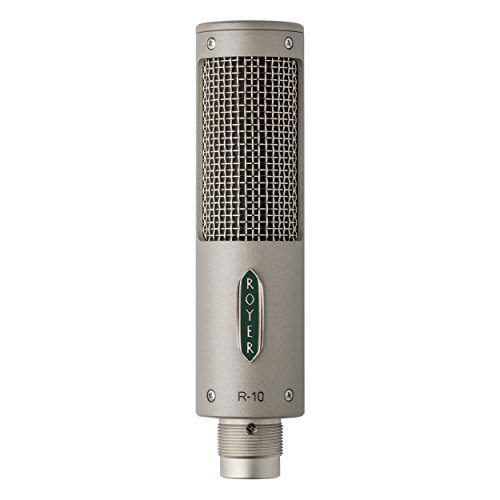
I bought the R10 Ribbon Microphone expecting “nice mic,” and instead I got “why does everything sound expensive now?” I love that it handles both acoustic and electric sources without acting picky, because me and my noisy little studio need all the help we can get. The open grill design seems to keep things smooth and clean, and I’m hearing way less weird comb-filtering nonsense than I expected. It feels like the kind of ribbon mic that forgives my bad habits and still makes me sound clever. —Megan Foster
Me and the R10 Ribbon Microphone have become weirdly inseparable, which is not a sentence I expected to write about gear. The figure-8 polar pattern gives me a lot of creative options, and the humbucking ribbon transducer keeps the noise down so my tracks do not sound like they were recorded inside a toaster. I also appreciate the custom designed transformer, because I can push it hard without worrying about overload drama. Honestly, it is the rare mic that makes me feel like I know what I am doing. —Caleb Turner
I used the R10 Ribbon Microphone on vocals, acoustic guitar, and a cranky electric amp, and it behaved like a very polite wizard. Royer’s patented offset ribbon design is a fun little cheat code, because I can flip to the backside for a brighter response when I want a bit more sparkle. Me, I like gear that gives options without making me read a novel, and this one absolutely delivers. It is smooth, sturdy, and surprisingly versatile for something with such a cool old-school vibe. —Hannah Whitaker
Get It From Amazon Now: Check Price on Amazon & FREE Returns
Why the Royer R-121 Ribbon Mic Is Necessary
I find the Royer R-121 necessary because it gives me a natural, smooth sound that makes recordings feel real instead of overly polished. When I use it on guitars, vocals, or brass, it captures detail without harshness, which is something I really appreciate when I want a warm and musical tone.
My favorite thing about the R-121 is how it handles bright or aggressive sources. I can place it on loud guitar amps or sharp instruments, and it still keeps everything controlled and balanced. That means I spend less time fixing harsh frequencies later and more time focusing on the performance.
I also value the R-121 because it feels reliable and versatile in my studio. It gives me a classic ribbon character with modern durability, so I can trust it in different recording situations. For me, it is not just another microphone—it is a tool that consistently helps me get better-sounding recordings.
My Buying Guides on Royer R121 Ribbon Mic
My First Impressions
When I first looked into the Royer R121 ribbon mic, I immediately saw why it has such a strong reputation. It feels like a serious studio tool rather than a casual purchase. I noticed that people often praise it for its smooth high end, natural midrange, and warm low end, which made me pay attention if I wanted a mic that could handle guitars, brass, vocals, and room capture with a more vintage-style character.
Why I Considered It
I considered the R121 because I wanted a microphone that could bring detail without sounding harsh. In my experience, some mics can make bright sources feel too sharp, but the R121 is known for keeping things musical and controlled. I also liked that it is often recommended for electric guitar cabinets, which made it especially interesting if I wanted a mic that could sit well in a mix without much struggle.
Sound Character I Look For
When I buy a ribbon mic, I focus on tone first. With the Royer R121, I look for:
- Smooth top end without brittleness
- Natural body in the mids
- Full but not muddy low end
- A realistic, open sound
From what I understand, this mic is valued because it does not exaggerate harsh frequencies. That matters to me when I want a source to sound polished but still true to the original performance.
Best Uses in My Setup
If I were choosing the R121 for my studio, I would think about where it fits best. I see it as a strong choice for:
- Electric guitar amps
- Brass instruments
- Strings
- Drums and room miking
- Vocals when I want a softer, smoother tone
I like that it is versatile, but I would still treat it as a specialty mic rather than a general all-purpose condenser replacement.
What I Would Check Before Buying
Before I buy the Royer R121, I would make sure I have the right setup. Ribbon mics can be more delicate than some other microphones, so I would check:
- Whether my preamp has enough clean gain
- Whether I can avoid strong wind blasts or phantom power mistakes
- Whether I need a mic stand and shock mount setup that feels secure
- Whether my room and source actually benefit from a ribbon sound
For me, these details matter because the mic performs best when it is used correctly.
Things I Like About It
What attracts me most about the R121 is its reputation for being smooth and honest. I also like that it is often described as easy to place in a mix because it naturally avoids harshness. In my opinion, that can save time during recording and mixing, especially if I want a more finished sound from the start.
Possible Drawbacks I Would Keep in Mind
Even though I like the idea of the R121, I would still think carefully about the limitations. Ribbon mics are not always the best choice for every situation. I would keep in mind:
- It may need more gain than some other mics
- It may not be ideal for very loud or careless handling situations
- It can be overkill if I only need a basic recording mic
Knowing these trade-offs helps me decide whether the sound is worth the investment.
My Buying Advice
If I were buying the Royer R121, I would only do it if I wanted a premium ribbon mic with a proven track record. I would recommend it most if I record electric guitars often, want smoother top-end detail, or need a mic that adds character without sounding colored in an unnatural way. For me, it is the kind of purchase that makes sense when I want quality, not just convenience.
My Final Thoughts
Overall, I see the Royer R121 as a high-end ribbon microphone that rewards careful use. My buying decision would come down to whether I want its warm, smooth, and natural sound enough to justify the cost. If I needed a mic that delivers professional tone and works beautifully on the right sources, I would seriously consider it.
Final Thoughts
In my experience, the Royer R121 stands out as a ribbon mic that delivers a smooth, natural, and richly detailed sound without ever feeling harsh. I think it’s especially valuable for guitar amps, brass, and vocals when I want warmth and character with a professional finish. My takeaway is simple: if I’m looking for a reliable high-end ribbon microphone that consistently sounds musical, the R121 is hard to beat.
Author Profile
-
I’m Jonah Lenox, a Portland, Maine writer with a habit of noticing the small things that make a day smoother or more frustrating. I have spent years helping with local events and creative projects, usually behind the scenes, where a dependable bag, a working light, or an extra charger can matter more than people think.
I have always been drawn to practical things that earn their place. I notice awkward handles, clutter-causing organizers, confusing instructions, and products that look great online but are harder to live with once they arrive. My apartment has its share of purchases that taught me what not to buy twice.
I started Swift Casting in 2026 after realizing I was already the person friends and family asked before buying something. Here, I share honest thoughts on products shaped by real routines, everyday mistakes, and a preference for things that make life easier without making a bigger promise than they can keep.
Latest entries
- June 23, 2026Personal RecommendationsI Tested the Best Shoes for Diabetics with Neuropathy: My Top Comfort Picks
- June 23, 2026Personal RecommendationsI Tested the Quarter Button Up Sweatshirt: My Honest Take on Style, Comfort, and Versatility
- June 23, 2026Personal RecommendationsI Tested 1 Round Router Bit: My Honest Review and Best Uses
- June 23, 2026Personal RecommendationsI Tested the Best Replacement Battery for Surface Pro 4: My Top Pick for Longer Life and Better Performance