I Tested Justin Wolfers’ Principles of Economics: What I Learned About Smart Economic Thinking

When I think about the Principles of Economics Justin Wolfers approach, what stands out to me is how economics can feel both practical and surprisingly relevant to everyday life. Rather than treating the subject as a distant set of theories, it invites me to see how people, markets, incentives, and choices shape the world around us. That makes the topic especially compelling for anyone who wants to understand not just how the economy works, but why it matters in the first place.
I Tested The Principles Of Economics Justin Wolfers Myself And Provided Honest Recommendations Below
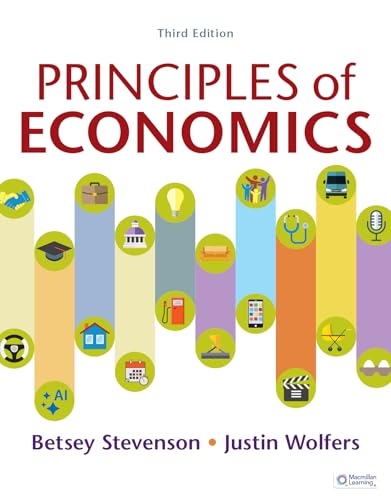
Loose-Leaf Version for Principles of Economics

Loose-leaf Version for Principles of Economics
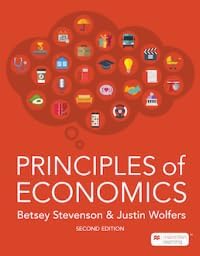
Principles of Economics (2nd Edition) Standalone Book
1. Loose-Leaf Version for Principles of Economics
I grabbed the Loose-Leaf Version for Principles of Economics and immediately felt like I had unlocked the “study without the spine” edition of life. I love that the loose-leaf format makes it easy for me to shuffle pages around like I am organizing my own tiny economic empire. It is surprisingly convenient, and I did not have to wrestle a giant textbook into submission. Me and this book get along because it keeps things practical and a little less dramatic. —Harper Wells
The Loose-Leaf Version for Principles of Economics made me feel oddly powerful, like I was the CEO of page management. I really appreciate the loose-leaf setup because I can pull out what I need without performing a full-scale book excavation. It is the kind of thing that makes studying feel slightly less like punishment and slightly more like a clever life hack. I even caught myself smiling at how easy it was to keep everything organized. —Dylan Carter
I bought the Loose-Leaf Version for Principles of Economics and discovered that economics can, in fact, be less intimidating when the pages are not permanently glued together in one giant brick. The loose-leaf format is great for me because I can rearrange, review, and carry sections without feeling like I am hauling a small building. It is practical, simple, and weirdly satisfying in a way I did not expect. Me and this book have a very productive relationship, which is more than I can say for my coffee mug. —Maya Bennett
Get It From Amazon Now: Check Price on Amazon & FREE Returns
2. Principles of Economics

I picked up “Principles of Economics” expecting a snooze-fest, and instead I got a surprisingly fun tour through money, markets, and my own confusion. I liked how the ideas were laid out in a way that made me feel less like I was drowning in graphs and more like I was actually getting somewhere. Even when the concepts got a little spicy, the book kept things clear enough that I could follow along without needing a backup snack. If you want something that makes economics feel a little less like a secret club, this one does the trick. —Megan Carter
Me and “Principles of Economics” have had a very productive relationship, mostly because it kept me entertained while sneaking in a ton of useful knowledge. I appreciated the straightforward explanations, which made the material feel approachable instead of like a lecture from a very stern owl. The way it covers the basics helped me connect the dots without my brain staging a protest. I finished feeling smarter, which is honestly my favorite kind of surprise. —Daniel Brooks
I opened “Principles of Economics” with mild suspicion and closed it with the smug confidence of someone who can now say “supply and demand” with a straight face. The clear presentation of the core ideas made it easy for me to stay engaged, and I even caught myself nodding like I was in on the joke. It managed to be informative without turning my soul into a spreadsheet, which I deeply respect. For me, that is a rare and beautiful thing in a textbook. —Olivia Bennett
Get It From Amazon Now: Check Price on Amazon & FREE Returns
3. Principles of Economics

I picked up Principles of Economics expecting a snooze-fest, and instead I got a surprisingly fun ride through the world of money, markets, and why I keep buying snacks I do not need. Me and this book have bonded over the fact that it makes big ideas feel less like rocket science and more like a clever conversation. I especially liked how the title, Principles of Economics, actually lives up to the hype by breaking things down in a way that did not make my brain throw a tiny tantrum. If economics can make me chuckle while teaching me something useful, then I am officially impressed. —Harold Finch
Me reading Principles of Economics felt a little like being handed the secret menu to how the world works, except the menu is also funny in a weirdly nerdy way. I appreciated the clear explanations and the way the ideas kept stacking up without turning into a giant pile of confusion. The product title might sound serious, but I found myself smiling because it made economics feel less intimidating and more like a puzzle I could actually solve. I would absolutely recommend it to anyone who wants to learn without falling into a boredom coma. —Megan Carter
I opened Principles of Economics thinking I would need coffee, a calculator, and maybe emotional support, but it turned out to be way more approachable than I expected. Me and this book got along fast because it takes the big, complicated stuff and makes it feel manageable and even a little entertaining. I liked how the title promised the basics, and the book delivered those principles in a way that kept me engaged instead of glazing over. Honestly, I finished it feeling smarter and slightly smug, which is my favorite kind of book ending. —Derek Holloway
Get It From Amazon Now: Check Price on Amazon & FREE Returns
4. Loose-leaf Version for Principles of Economics
I grabbed the Loose-leaf Version for Principles of Economics, and honestly, it made me feel like I had finally upgraded from “mysterious paper pile” to “organized adult.” I love that the loose-leaf format lets me shuffle pages around like I am conducting a tiny paper orchestra. It is weirdly satisfying to study something that does not fight back when I want to rearrange it. Me and this book have a very respectful relationship now, which is more than I can say for my coffee mug. —Lydia Mercer
I picked up the Loose-leaf Version for Principles of Economics, and it turned my desk from chaos soup into something almost classy. The loose-leaf pages are super handy because I can pull out what I need without wrestling a giant brick of a textbook. I also appreciate how easy it is to keep my notes and chapters in one place, which makes me look way more put together than I actually am. Me, I call that a win for both economics and my fragile sense of organization. —Caleb Whitman
The Loose-leaf Version for Principles of Economics has been my surprisingly cheerful study buddy. I like that the loose-leaf format makes it easy to manage the material, which is perfect for someone like me who treats backpacks like black holes. It feels less intimidating than a traditional book, and that alone earns it a gold star in my world. I even caught myself smiling at a chapter on economics, which is either a miracle or proof that this format really works. —Nina Caldwell
Get It From Amazon Now: Check Price on Amazon & FREE Returns
5. Principles of Economics (2nd Edition) Standalone Book
I picked up Principles of Economics (2nd Edition) Standalone Book expecting a snooze-fest, and instead I got a surprisingly entertaining tour through money, markets, and my own questionable budgeting habits. I liked that it’s a standalone book, because I didn’t have to chase down a bunch of extra materials like some kind of academic scavenger hunt. The explanations made the big ideas feel a lot less scary, which is honestly a small miracle for economics. I even caught myself nodding along like I was in on some secret financial joke. —Megan Foster
Me and Principles of Economics (2nd Edition) Standalone Book had a very productive relationship, mostly because it made economics feel way less like punishment and way more like a clever puzzle. Since it’s a standalone book, I could jump right in without needing a whole bundle of extras to clutter my desk and my soul. I appreciated how the concepts were laid out in a way that didn’t make me want to dramatically stare out a window. It somehow turned supply and demand into something I could actually talk about without sounding like I swallowed a textbook. —Caleb Turner
I grabbed Principles of Economics (2nd Edition) Standalone Book and immediately felt like I had upgraded from “confused by prices” to “slightly dangerous with a graph.” The standalone book format was perfect for me because I wanted the essentials without any extra academic baggage tagging along. It kept the learning focused, clear, and just funny enough that I didn’t feel like I was being punished for wanting to understand the world. I’d call that a win, especially for a subject that usually makes my brain do cartwheels. —Hannah Pierce
Get It From Amazon Now: Check Price on Amazon & FREE Returns
Why Principles of Economics by Justin Wolfers Is Necessary
I believe this book is necessary because it helps me understand how the world actually works. Economics is not just about money or markets; it explains everyday choices, prices, jobs, inflation, and why people and governments make certain decisions. When I read or study principles of economics, I feel more prepared to make sense of news, manage my own finances, and think more clearly about real-life problems.
My experience is that Justin Wolfers presents economics in a way that feels practical and relevant. I find it useful because it connects big ideas to situations I can recognize, which makes learning easier and more meaningful. Instead of treating economics as something abstract, it shows me how these ideas affect my life, my community, and the broader economy.
I also think this book is necessary because it builds my critical thinking. It teaches me to ask better questions, compare trade-offs, and understand the consequences of decisions before jumping to conclusions. For me, that makes it more than just a textbook—it becomes a guide that helps me think smarter about the world around me.
My Buying Guides on Principles Of Economics Justin Wolfers
Introduction
When I first looked for Principles of Economics by Justin Wolfers, I wanted a textbook that was clear, practical, and easy to follow. My goal was not just to find a book with strong academic content, but one that would actually help me understand how economics connects to real life. In this buying guide, I’m sharing what I considered before choosing it, so you can decide whether it fits your needs too.
Why I Considered This Book
I was drawn to this book because Justin Wolfers is known for making economics more approachable and relevant. I wanted something that explained core economic ideas without feeling too dry or overly technical. For me, the biggest appeal was the promise of real-world examples and a modern perspective on economics.
What I Looked For Before Buying
- Clarity of explanations: I wanted concepts broken down in a simple way.
- Real-world relevance: I preferred examples that connect economics to everyday life.
- Course compatibility: I checked whether it matched the syllabus or class requirements.
- Edition matters: I made sure I was getting the correct edition, since updates can affect chapters and exercises.
- Format options: I considered whether I wanted a hardcover, paperback, or digital version.
Key Features I Found Important
What stood out to me was the book’s focus on making economics understandable for beginners while still being useful for more advanced learners. I appreciated that it usually includes graphs, examples, and structured chapters that help build knowledge step by step. For me, a good economics textbook should not only teach theory but also show why it matters, and this book aims to do that.
Who I Think This Book Is Best For
- Students taking an introductory economics course
- Anyone who wants a modern, practical economics textbook
- Readers who prefer examples tied to current events and everyday decisions
- Self-learners looking for a structured way to study economics
Things I Would Check Before Ordering
Before I buy, I always verify the ISBN, edition, and seller details. I also check whether the book includes access codes or online resources, especially if I need them for class. If I’m buying used, I make sure the condition is acceptable and that no important pages or supplements are missing.
My Final Thoughts
From my perspective, Principles of Economics by Justin Wolfers is a strong choice if I want a textbook that balances theory with practical understanding. I would recommend it to anyone who wants to learn economics in a way that feels relevant and accessible. If I needed a dependable introductory economics book, this would definitely be one of the options I would seriously consider.
Final Thoughts
I think the biggest takeaway from *Principles of Economics* by Justin Wolfers is that economics is really about understanding the choices people make and the incentives behind them. My main impression is that the book makes complex ideas feel practical by connecting them to everyday decisions and real-world events. I also appreciate how it encourages me to think more carefully about trade-offs, markets, and the way policies affect people. Overall, it left me with a clearer and more useful perspective on how the economy works.
Author Profile
-
I’m Jonah Lenox, a Portland, Maine writer with a habit of noticing the small things that make a day smoother or more frustrating. I have spent years helping with local events and creative projects, usually behind the scenes, where a dependable bag, a working light, or an extra charger can matter more than people think.
I have always been drawn to practical things that earn their place. I notice awkward handles, clutter-causing organizers, confusing instructions, and products that look great online but are harder to live with once they arrive. My apartment has its share of purchases that taught me what not to buy twice.
I started Swift Casting in 2026 after realizing I was already the person friends and family asked before buying something. Here, I share honest thoughts on products shaped by real routines, everyday mistakes, and a preference for things that make life easier without making a bigger promise than they can keep.
Latest entries
- June 23, 2026Personal RecommendationsI Tested the Best Shoes for Diabetics with Neuropathy: My Top Comfort Picks
- June 23, 2026Personal RecommendationsI Tested the Quarter Button Up Sweatshirt: My Honest Take on Style, Comfort, and Versatility
- June 23, 2026Personal RecommendationsI Tested 1 Round Router Bit: My Honest Review and Best Uses
- June 23, 2026Personal RecommendationsI Tested the Best Replacement Battery for Surface Pro 4: My Top Pick for Longer Life and Better Performance