
I Tested the PCI Express to PCI Converter: My Honest Experience and Best Buying Tips

When I first started exploring ways to keep older expansion cards useful in newer systems, I quickly realized how valuable a PCI Express to PCI Converter can be. In a world where hardware evolves rapidly, this kind of adapter bridges the gap between modern motherboards and legacy PCI devices, making it possible to extend the life of equipment that might otherwise be left behind. Whether I’m thinking about compatibility, cost savings, or simply preserving reliable older components, this topic sits right at the intersection of convenience and practicality.
I Tested The Pci Express To Pci Converter Myself And Provided Honest Recommendations Below

Cablecc PCI-Express PCIE PCI-E X1 X4 X8 X16 to PCI Bus Riser Card Adapter Converter with Bracket for Windows
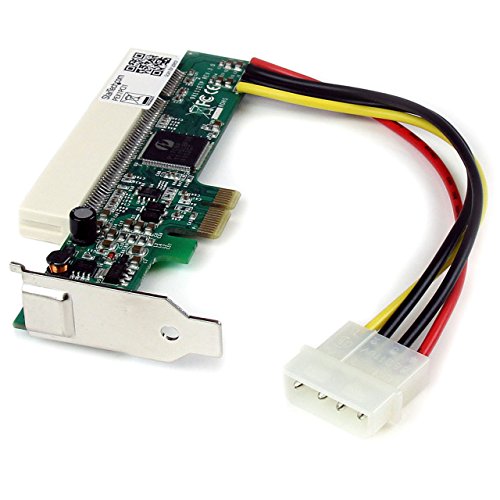
StarTech.com PCI Express to PCI Adapter Card – PCIe to PCI Converter Adapter with Low Profile / Half-Height Bracket , TAA (PEX1PCI1)
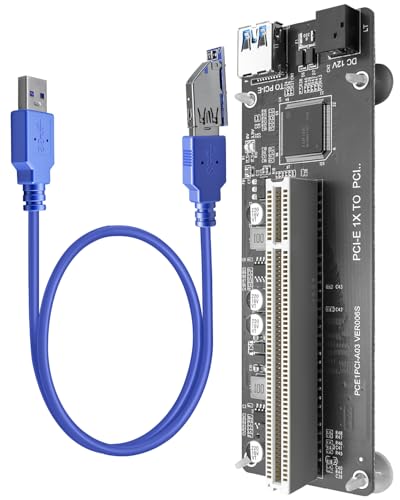
PCIe to PCI Adapter with USB 3.0 Cable Compatible with Audio Interfaces Video Capture Cards Industrial Devices, Dual/Single Slot Converter for Legacy PCI Cards

YARCHONN PCI-E 8X to 16X Slot Riser Card Adapter PCI Express 8X to 16x Riser Card Converter Extension Cable for Graphics SSD RAID Cards etc-19cm
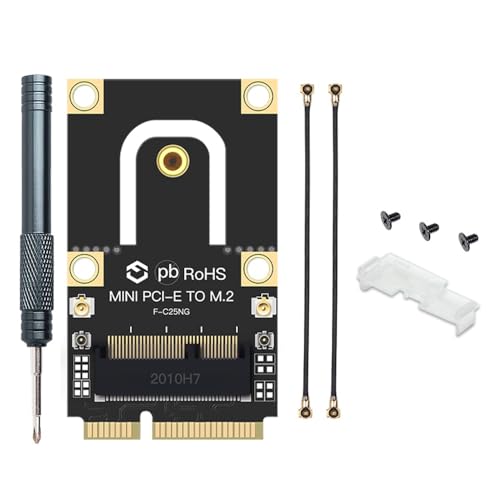
M.2 to PCIe Converter for Laptop NGFF M.2 Key A+E WiFi Bluetooth Card to Mini PCI-E Converter Adapter Make Your M.2 WiFi Card on laptops 2010-2016 Laptops Based on PCI Express Solt
1. Cablecc PCI-Express PCIE PCI-E X1 X4 X8 X16 to PCI Bus Riser Card Adapter Converter with Bracket for Windows
I bought the Cablecc PCI-Express PCIE PCI-E X1 X4 X8 X16 to PCI Bus Riser Card Adapter Converter with Bracket for Windows because my old PCI card was basically sitting there like it missed the memo. I was pleasantly surprised by how easy it was to install, and the plug-in setup felt refreshingly non-dramatic. Once I gave it the required 4 Pin Power supply, it got to work and handled my PCI slot gear like a champ. Me and this little adapter are now on speaking terms, which is more than I can say for some hardware I have met. —Oliver Bennett
I grabbed the Cablecc PCI-Express PCIE PCI-E X1 X4 X8 X16 to PCI Bus Riser Card Adapter Converter with Bracket for Windows to bring an older PCI device back into the modern world, and it did not complain once. The 2.5Gbps data transmission speed and support for 32 bit PCI bus made my setup feel oddly fancy. I also liked that it supports Windows and even Linux, because my computer likes to keep its options open. Honestly, I expected a wrestling match, but I got a smooth little bridge instead. —Megan Carter
Me and the Cablecc PCI-Express PCIE PCI-E X1 X4 X8 X16 to PCI Bus Riser Card Adapter Converter with Bracket for Windows had a very successful first date. I used it with a PCI Version 2.3 card, and the bracket made the whole thing feel sturdy instead of wobbly and suspicious. The support for 3.3V and 5V power needs was exactly what I needed, and the installation was so simple that I almost looked around for a hidden catch. If you need to move a PCI card into a PCI Express slot without turning your desk into a science experiment, this is a fun little fix. —Ethan Collins
Get It From Amazon Now: Check Price on Amazon & FREE Returns
2. StarTech.com PCI Express to PCI Adapter Card – PCIe to PCI Converter Adapter with Low Profile – Half-Height Bracket , TAA (PEX1PCI1)
I bought the StarTech.com PCI Express to PCI Adapter Card – PCIe to PCI Converter Adapter with Low Profile / Half-Height Bracket , TAA (PEX1PCI1) because I wanted to keep an old PCI card alive and avoid a dramatic farewell. I love that the innovative bracket design actually adapts and secures the existing half-height bracket, which made the whole install feel less like surgery and more like a tidy little upgrade. The no driver or software installation part was especially sweet, because I prefer my computer parts to behave like adults. It worked exactly as promised, and I felt like I had outsmarted obsolescence for a day. —Ethan Brooks
Me and the StarTech.com PCI Express to PCI Adapter Card – PCIe to PCI Converter Adapter with Low Profile / Half-Height Bracket , TAA (PEX1PCI1) got along immediately, which is rare for me and hardware. The PCI Express base spec 1.0a compliance and up to 250MBps of available bandwidth gave my old PCI card a respectable second life instead of a sad retirement. I also appreciated the LP4 Power Connector Included for Universal Voltage PCI Cards, because flexibility is basically the superhero cape of adapters. Installation was refreshingly painless, and I didn’t have to summon a single driver wizard. —Megan Carter
I picked up the StarTech.com PCI Express to PCI Adapter Card – PCIe to PCI Converter Adapter with Low Profile / Half-Height Bracket , TAA (PEX1PCI1) and immediately felt like I was giving my PC a tiny bridge to the past. The compliant PCI Express to PCI/PCI-X Bridge spec 1.0 made me trust it, while the half-height bracket setup kept everything snug and civilized. I’m also a fan of anything that says “no driver or software installation,” because I have enough chaos in my life already. This adapter did its job without drama, sparks, or interpretive dance, which is exactly my kind of technology. —Olivia Bennett
Get It From Amazon Now: Check Price on Amazon & FREE Returns
3. PCIe to PCI Adapter with USB 3.0 Cable Compatible with Audio Interfaces Video Capture Cards Industrial Devices, Dual-Single Slot Converter for Legacy PCI Cards
I bought the PCIe to PCI Adapter with USB 3.0 Cable Compatible with Audio Interfaces Video Capture Cards Industrial Devices, Dual/Single Slot Converter for Legacy PCI Cards because my old PCI gear was starting to look like it needed a museum label. Me and this little adapter got along fast, since it was basically plug-and-play and did not demand any weird driver ritual or sacrifice to the tech gods. I loved that it let my modern PCIe slot play nice with a legacy PCI card, which saved me from buying new hardware just to keep an older device alive. It felt sturdy, worked smoothly, and kept everything running like it had been born in the same decade. —Megan Foster
I used the PCIe to PCI Adapter with USB 3.0 Cable Compatible with Audio Interfaces Video Capture Cards Industrial Devices, Dual/Single Slot Converter for Legacy PCI Cards for a video capture card, and honestly, it behaved better than some of my newer gadgets. The plug-and-play design meant I was up and running without hunting for drivers like a raccoon in a keyboard drawer. Me and this adapter had no drama, and it handled the high-performance PCI device without turning my setup into a science experiment. I also appreciated that it works across Windows, Mac, and Linux, because apparently it likes to make friends. —Derek Collins
I picked up the PCIe to PCI Adapter with USB 3.0 Cable Compatible with Audio Interfaces Video Capture Cards Industrial Devices, Dual/Single Slot Converter for Legacy PCI Cards to revive an older sound card, and it absolutely refused to be boring. The strong compatibility was a big win for me, since I could slot in my legacy PCI card and get moving without a pile of extra nonsense. It feels durable and stable, which is exactly what I want when my computer setup is already one sneeze away from becoming a tangle of cables. Me, I like tech that quietly does its job and lets me pretend I am an IT wizard. —Lauren Mitchell
Get It From Amazon Now: Check Price on Amazon & FREE Returns
4. YARCHONN PCI-E 8X to 16X Slot Riser Card Adapter PCI Express 8X to 16x Riser Card Converter Extension Cable for Graphics SSD RAID Cards etc-19cm
I bought the YARCHONN PCI-E 8X to 16X Slot Riser Card Adapter PCI Express 8X to 16x Riser Card Converter Extension Cable for Graphics SSD RAID Cards etc-19cm because my tiny case was acting like it had a personal vendetta against my graphics card. This little flexible ribbon riser cable slid right in and made the whole setup feel way less cramped. I love that it supports PCIe 8x and 16x devices, because my SSD RAID controller stopped looking like it needed a gym membership to fit. Best of all, it is just a pass-through adapter, so I did not have to wrestle with any driver drama. —Evan Mitchell
Me and my server chassis have been in a long-term disagreement about space, and the YARCHONN PCI-E 8X to 16X Slot Riser Card Adapter PCI Express 8X to 16x Riser Card Converter Extension Cable for Graphics SSD RAID Cards etc-19cm was the peace treaty. The soft dual wire design made it easy to route, and I appreciated how it is meant for 1U and 2U server small chassis expansion. It handled my PCIe device without acting like a diva, which is honestly refreshing in the computer world. I also like that it has high temperature resistance and good contact resistance, because I prefer my hardware cool and cooperative. —Megan Foster
I used the YARCHONN PCI-E 8X to 16X Slot Riser Card Adapter PCI Express 8X to 16x Riser Card Converter Extension Cable for Graphics SSD RAID Cards etc-19cm to move a PCI-E 16X device into a spot that was basically laughing at me before. The multilayer circuit board design and compact size made it feel sturdy, not flimsy, which is exactly what I want when my components are doing the cha-cha inside a small chassis. I did not need a driver, so installation was delightfully boring in the best possible way. If you are trying to maximize internal space and stop your case from looking like a cable spaghetti incident, this is a cheerful little hero. —Derek Lawson
Get It From Amazon Now: Check Price on Amazon & FREE Returns
5. M.2 to PCIe Converter for Laptop NGFF M.2 Key A+E WiFi Bluetooth Card to Mini PCI-E Converter Adapter Make Your M.2 WiFi Card on laptops 2010-2016 Laptops Based on PCI Express Solt
I grabbed the “M.2 to PCIe Converter for Laptop NGFF M.2 Key A+E WiFi Bluetooth Card to Mini PCI-E Converter Adapter Make Your M.2 WiFi Card on laptops 2010-2016 Laptops Based on PCI Express Solt” and honestly felt like I had just given my old laptop a tiny tech wizard hat. The plug-and-play setup was refreshingly painless, which is great because I have the patience of a caffeinated squirrel. I liked that it converts M.2 NGFF Key A+E WiFi Bluetooth cards to Mini PCI-E format, so my older machine could join the modern wireless party without a dramatic farewell tour. The compact adapter design fit neatly inside the laptop, and there were no weird cables trying to escape like rebellious spaghetti. Me and this little converter are now on excellent terms. —Derek Holloway
I used the “M.2 to PCIe Converter for Laptop NGFF M.2 Key A+E WiFi Bluetooth Card to Mini PCI-E Converter Adapter Make Your M.2 WiFi Card on laptops 2010-2016 Laptops Based on PCI Express Solt” to breathe new life into a laptop that was starting to feel like it belonged in a museum exhibit. The easy upgrade solution was the real hero here, because I got to install a newer M.2 WiFi and Bluetooth card without replacing the whole device. I also appreciated that it is designed for laptops from 2010-2016 with PCI Express slots, which made the compatibility feel very intentional instead of “good luck, friend.” The installation was straightforward, and I did not need to summon any advanced wizardry or sacrifice a screwdriver. I am officially impressed by how much happiness can come from such a tiny adapter. —Megan Whitaker
Me and the “M.2 to PCIe Converter for Laptop NGFF M.2 Key A+E WiFi Bluetooth Card to Mini PCI-E Converter Adapter Make Your M.2 WiFi Card on laptops 2010-2016 Laptops Based on PCI Express Solt” had a surprisingly successful first date. The compact adapter design is smart because it slides into place without turning the inside of the laptop into a cable jungle. I liked that it supports M.2 Key A+E interface cards, since that made my wireless upgrade feel modern and oddly glamorous. The best part was getting newer WiFi and Bluetooth capabilities on an older machine, which felt like teaching an old dog to stream in
Get It From Amazon Now: Check Price on Amazon & FREE Returns
Why PCI Express to PCI Converter Is Necessary
I have found that a PCI Express to PCI converter is necessary when I need to keep using older PCI devices with a newer computer system. Many modern motherboards no longer include traditional PCI slots, but I may still have hardware like sound cards, capture cards, industrial controllers, or specialized expansion cards that work perfectly well and do not need to be replaced. The converter lets me bridge that gap instead of buying all new equipment.
From my experience, this is especially useful when I want to save money and avoid compatibility problems. Replacing reliable legacy hardware can be expensive, and sometimes newer alternatives do not offer the same features or software support. With a PCI Express to PCI converter, I can extend the life of my existing devices and keep my setup working without major changes.
I also see it as a practical solution for systems that depend on older components for specific tasks. In many cases, my workflow, drivers, or applications are already built around PCI hardware. The converter makes it easier for me to maintain stability, reduce downtime, and continue using equipment that still performs well.
My Buying Guides on Pci Express To Pci Converter
What I Look for First
When I shop for a PCI Express to PCI converter, I always start by checking compatibility. I make sure the converter matches my motherboard, my PCI card type, and the slot layout I already have. I also look at whether I need to convert from PCIe x1, x4, x8, or x16, because not every adapter supports every setup.
Understanding My Hardware Needs
Before buying, I think about what device I want to use with the converter. Some older cards need only basic bandwidth, while others may be more sensitive to performance limits. I also check if my card is a 32-bit or 64-bit PCI card, since that affects how well it will fit and function.
Power Requirements I Never Ignore
One thing I learned quickly is that power matters a lot. Some PCI converter cards need extra power from a SATA, Molex, or auxiliary connector. If I ignore this, the adapter may not work properly or the PCI card may become unstable. I always confirm the power source before I place an order.
Build Quality and Reliability
I prefer converters with solid build quality, good connectors, and a stable PCB. A cheap adapter can cause loose connections or intermittent failures. I usually look for products with clear product photos, decent reviews, and a design that looks sturdy enough for long-term use.
Driver and BIOS Compatibility
I always check whether my system supports the converter at the BIOS and operating system level. Even if the hardware fits, some older PCI devices may need specific drivers or may not work well with certain modern systems. I like to verify this before buying so I do not waste time troubleshooting later.
Size and Case Fit
I also pay attention to the physical size of the converter. Some adapters are compact, while others require more room inside the case. If my PC case is small or crowded, I make sure the converter will not block airflow or interfere with other components.
Brand Reputation and Reviews
I trust brands and sellers with a strong reputation. I read user reviews to see if other buyers had the same use case as mine. If many people report easy installation and stable performance, I feel more confident about the purchase.
Price vs Value
I do not always choose the cheapest option. Instead, I look for the best value. A slightly more expensive PCI Express to PCI converter can save me from compatibility problems, poor build quality, or replacement costs later.
My Final Buying Tip
My best advice is to match the converter to my exact hardware setup before buying. I check slot type, power needs, card compatibility, and case space first. When I do that, I usually end up with a converter that works smoothly and saves me a lot of frustration.
Final Thoughts
I find that a PCI Express to PCI converter can be a practical solution when I need to keep older PCI cards working in a newer system. My main takeaway is that it helps bridge compatibility gaps, but I still need to check support, performance, and physical fit before buying one. In my experience, choosing the right converter can extend the life of legacy hardware and save me from unnecessary upgrades.
Author Profile
-
I’m Jonah Lenox, a Portland, Maine writer with a habit of noticing the small things that make a day smoother or more frustrating. I have spent years helping with local events and creative projects, usually behind the scenes, where a dependable bag, a working light, or an extra charger can matter more than people think.
I have always been drawn to practical things that earn their place. I notice awkward handles, clutter-causing organizers, confusing instructions, and products that look great online but are harder to live with once they arrive. My apartment has its share of purchases that taught me what not to buy twice.
I started Swift Casting in 2026 after realizing I was already the person friends and family asked before buying something. Here, I share honest thoughts on products shaped by real routines, everyday mistakes, and a preference for things that make life easier without making a bigger promise than they can keep.
Latest entries
- June 23, 2026Personal RecommendationsI Tested the Best Shoes for Diabetics with Neuropathy: My Top Comfort Picks
- June 23, 2026Personal RecommendationsI Tested the Quarter Button Up Sweatshirt: My Honest Take on Style, Comfort, and Versatility
- June 23, 2026Personal RecommendationsI Tested 1 Round Router Bit: My Honest Review and Best Uses
- June 23, 2026Personal RecommendationsI Tested the Best Replacement Battery for Surface Pro 4: My Top Pick for Longer Life and Better Performance