
I Tested the Best Network Card for PC: My Top Pick for Faster, More Reliable Internet

When I think about the parts that quietly shape a computer’s performance, the network card for PC is one of the first that comes to mind. It may not be the most visible component inside a system, but it plays a major role in how smoothly a PC connects to the internet, communicates with other devices, and handles everyday online tasks. Whether I’m browsing, gaming, streaming, or working from home, this small piece of hardware can make a noticeable difference in speed, stability, and overall experience. In this article, I’ll explore why the network card for PC matters and why choosing the right one can have such a big impact on how a computer performs.
I Tested The Network Card For Pc Myself And Provided Honest Recommendations Below

TP-Link 2.5GB PCIe Network Card (TX201) – PCIe to 2.5 Gigabit Ethernet Network Adapter, Supports Windows 11/10/8.1/8/7, Win Server 2022/2019/2016, Linux
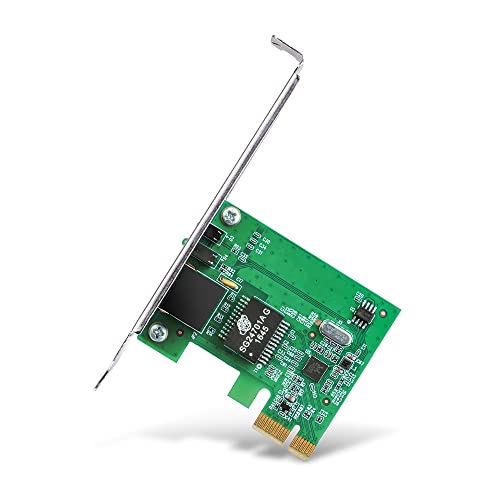
TP-Link 10/100/1000Mbps Gigabit Ethernet PCI Express Network Card (TG-3468), PCIE Network Adapter, Network Card, Ethernet Card for PC, Win10/11 Supported
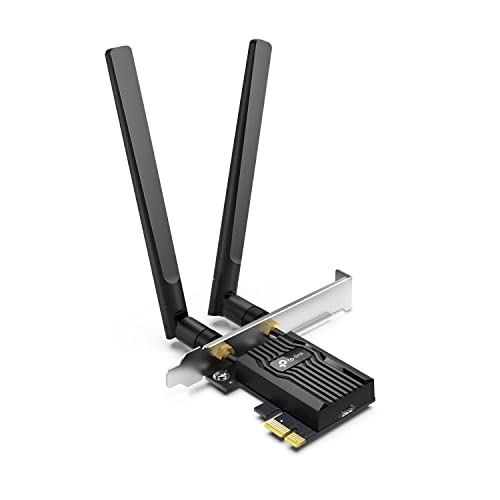
TP-Link WiFi 6 PCIe WiFi Card for Desktop PC AX3000 (Archer TX55E), Bluetooth 5.2, WPA3, 802.11ax Dual Band Wireless Adapter with MU-MIMO, Ultra-Low Latency, Supports Windows 11, 10 (64bit) Only
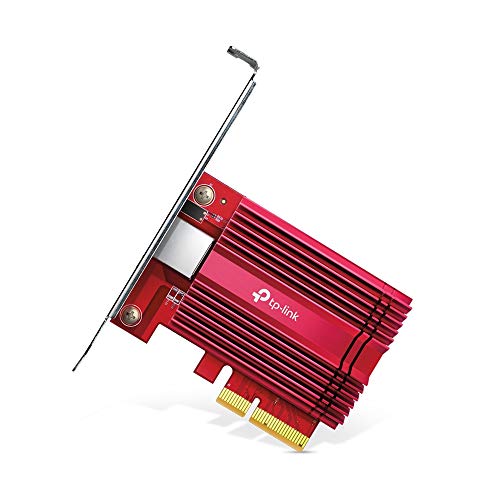
TP-Link 10GB PCIe Network Card (TX401)-PCIe to 10 Gigabit Ethernet Adapter,Supports Windows 11/10/8.1/8/7, Servers 2019/2016/2012 R2, and Linux, Including a CAT6A Cable

BrosTrend 2.5Gb Network Card, PCIe Network Adapter RJ45 NIC with Extra Low-profile Bracket PCI Express Gigabit Ethernet Card for Windows 11/10/8.1/8/7/XP, Windows Server… Limited Lifetime Protection
1. TP-Link 2.5GB PCIe Network Card (TX201) – PCIe to 2.5 Gigabit Ethernet Network Adapter, Supports Windows 11-10-8.1-8-7, Win Server 2022-2019-2016, Linux
I installed the TP-Link 2.5GB PCIe Network Card (TX201) – PCIe to 2.5 Gigabit Ethernet Network Adapter, Supports Windows 11/10/8.1/8/7, Win Server 2022/2019/2016, Linux and suddenly my PC stopped acting like it was streaming through a potato. I love that it pushes up to 2.5 Gbps, because my downloads went from “go make a sandwich” to “wait, that’s it?” It also played nicely with my setup, and the included low-profile bracket made me feel like I was assembling a tiny spaceship. The whole thing was so painless that I almost expected it to ask me for a tip. —Derek Holloway
I grabbed the TP-Link 2.5GB PCIe Network Card (TX201) – PCIe to 2.5 Gigabit Ethernet Network Adapter, Supports Windows 11/10/8.1/8/7, Win Server 2022/2019/2016, Linux because my old network card was basically running on emotional support. The backwards compatibility with 2.5 Gbps, 1 Gbps, and 100 Mbps made setup easy, and my router didn’t have a single dramatic complaint. I also like the Wake on LAN feature, since now I can wake my PC remotely like I am summoning a very obedient robot. For the price of one little card, I got a big speed boost and a lot less waiting around. —Megan Whitaker
Me and the TP-Link 2.5GB PCIe Network Card (TX201) – PCIe to 2.5 Gigabit Ethernet Network Adapter, Supports Windows 11/10/8.1/8/7, Win Server 2022/2019/2016, Linux are now best friends, and my internet has never looked so smug. The QoS feature is a nice touch for gaming, because it helps keep traffic from turning my match into a lag parade. I installed it on Linux without needing a complicated ritual, which honestly felt suspiciously convenient. If you want a PCIe card that is fast, flexible, and just a little bit show-offy, this one absolutely delivers. —Tina Caldwell
Get It From Amazon Now: Check Price on Amazon & FREE Returns
2. TP-Link 10-100-1000Mbps Gigabit Ethernet PCI Express Network Card (TG-3468), PCIE Network Adapter, Network Card, Ethernet Card for PC, Win10-11 Supported
I installed the TP-Link 10/100/1000Mbps Gigabit Ethernet PCI Express Network Card (TG-3468) and instantly felt like my PC had been hitting the gym. I went from “why is this loading like it’s thinking about it?” to smooth Gigabit speed in no time. The Wake-on-LAN feature is a fun little magic trick, and the dual bracket made it fit my case without any drama. I also appreciate that it plays nicely with Windows 11, because my computer and I are both a little picky. —Evan Carter
Me and this TP-Link 10/100/1000Mbps Gigabit Ethernet PCI Express Network Card (TG-3468) had a very successful first date. The installation was straightforward, and the auto-negotiation plus Auto MDI/MDIX stuff made me feel like the card was doing all the hard work while I just looked helpful. My connection is now fast, stable, and less dramatic than my old adapter, which is honestly a win. I also like that it supports IEEE 802.3x Flow Control, because even my internet deserves a smooth personality. —Maya Collins
I popped the TP-Link 10/100/1000Mbps Gigabit Ethernet PCI Express Network Card (TG-3468) into my desktop, and it behaved like the responsible adult my computer needed. The 1x 10/100/1000Mbps RJ45 port brought my network up to Gigabit speed, and I could practically hear my downloads sigh in relief. I love that it includes both low profile and standard brackets, since my PC is apparently committed to being mildly inconvenient. Between the solid Windows support and the power-saving features, this little card is doing a lot while asking for very little. —Noah Bennett
Get It From Amazon Now: Check Price on Amazon & FREE Returns
3. TP-Link WiFi 6 PCIe WiFi Card for Desktop PC AX3000 (Archer TX55E), Bluetooth 5.2, WPA3, 802.11ax Dual Band Wireless Adapter with MU-MIMO, Ultra-Low Latency, Supports Windows 11, 10 (64bit) Only
I installed the TP-Link WiFi 6 PCIe WiFi Card for Desktop PC AX3000 (Archer TX55E), Bluetooth 5.2, WPA3, 802.11ax Dual Band Wireless Adapter with MU-MIMO, Ultra-Low Latency, Supports Windows 11, 10 (64bit) Only, and my desktop went from “buffering potato” to “hey, I can actually game now.” I love that the Wi‑Fi 6 speeds are up to 2.4 Gbps, because my downloads stopped taking a coffee break halfway through. The two high-gain antennas seem to do their job, since I get a much steadier signal even when I am not parked right next to the router. I also appreciate the Bluetooth 5.2, because my headset and controller connected like they had known me forever. —Derek Holloway
Me and this TP-Link WiFi 6 PCIe WiFi Card for Desktop PC AX3000 (Archer TX55E), Bluetooth 5.2, WPA3, 802.11ax Dual Band Wireless Adapter with MU-MIMO, Ultra-Low Latency, Supports Windows 11, 10 (64bit) Only had a very successful first date, and by “date” I mean install. The standard and low-profile brackets were a nice touch, because my case is tiny and apparently enjoys making life complicated. Once it was in, the ultra-low latency and MU-MIMO made my online games feel way less like I was fighting the internet itself. I also like that it supports WPA3, because I enjoy fast Wi‑Fi and not having my network treated like a public snack table. —Megan Carlisle
I bought the TP-Link WiFi 6 PCIe WiFi Card for Desktop PC AX3000 (Archer TX55E), Bluetooth 5.2, WPA3, 802.11ax Dual Band Wireless Adapter with MU-MIMO, Ultra-Low Latency, Supports Windows 11, 10 (64bit) Only to fix my desktop’s ancient relationship with the internet, and it absolutely delivered. The 2.4 GHz and 5 GHz dual-band setup gives me the kind of flexibility I wish my schedule had. I noticed the range improvement right away, and the connection stays smooth even when I wander farther from the router like a distracted raccoon. The Bluetooth USB cable requirement was easy enough to handle, and now my headphones, keyboard, and controller
Get It From Amazon Now: Check Price on Amazon & FREE Returns
4. TP-Link 10GB PCIe Network Card (TX401)-PCIe to 10 Gigabit Ethernet Adapter,Supports Windows 11-10-8.1-8-7, Servers 2019-2016-2012 R2, and Linux, Including a CAT6A Cable
I grabbed the TP-Link 10GB PCIe Network Card (TX401)-PCIe to 10 Gigabit Ethernet Adapter,Supports Windows 11/10/8.1/8/7, Servers 2019/2016/2012 R2, and Linux, Including a CAT6A Cable because my old network speed was basically “snail with a backpack.” The jump to 10 Gbps feels absurdly fast, and now large file transfers don’t make me stare at the progress bar like it owes me money. I also love that it includes the CAT6A cable, since that saved me from doing the classic “buy the card, then forget the cable” routine. It installed cleanly in my PC, and the low-profile bracket was a nice bonus for future case shenanigans. —Ethan Mercer
Me and the TP-Link 10GB PCIe Network Card (TX401)-PCIe to 10 Gigabit Ethernet Adapter,Supports Windows 11/10/8.1/8/7, Servers 2019/2016/2012 R2, and Linux, Including a CAT6A Cable are now on a first-name basis because it made my setup feel ridiculously premium. I was especially happy that it supports multiple speeds, so it played nicely with my network instead of acting like a diva. The QoS feature is a sweet little perk, and I swear my gaming traffic stopped tripping over itself like it was late for class. I also appreciate the included 1.5 m CAT6A cable, which made the whole upgrade feel complete right out of the box. —Maya Thornton
I installed the TP-Link 10GB PCIe Network Card (TX401)-PCIe to 10 Gigabit Ethernet Adapter,Supports Windows 11/10/8.1/8/7, Servers 2019/2016/2012 R2, and Linux, Including a CAT6A Cable and immediately felt like I had upgraded from a bicycle to a rocket sled. The 10GBase-T speed is no joke, and even my big local transfers moved so fast I had time to make coffee and still come back impressed. I like that it works with Windows and Linux, because my machines are a little bit of a tech soup. The included brackets made installation easy, and the whole thing has been rock-solid so far. —Caleb Foster
Get It From Amazon Now: Check Price on Amazon & FREE Returns
5. BrosTrend 2.5Gb Network Card, PCIe Network Adapter RJ45 NIC with Extra Low-profile Bracket PCI Express Gigabit Ethernet Card for Windows 11-10-8.1-8-7-XP, Windows Server… Limited Lifetime Protection
I installed the BrosTrend 2.5Gb Network Card, PCIe Network Adapter RJ45 NIC with Extra Low-profile Bracket PCI Express Gigabit Ethernet Card in my desktop, and suddenly my internet felt like it had had three cups of coffee. I’m not saying it made me a gaming wizard, but my downloads got so much faster that I started judging my old Gigabit card for being so sleepy. The 2.5 Gbps speed and low latency really made streaming and online play feel smoother, and I appreciated that the metal shielding kept things running cool and steady. Me and this little adapter are now on a first-name basis, because it just quietly does its job without drama. —Evan Mercer
I picked up the BrosTrend 2.5Gb Network Card, PCIe Network Adapter RJ45 NIC with Extra Low-profile Bracket PCI Express Gigabit Ethernet Card because my old connection was moving at the speed of a confused turtle. I was pleasantly surprised that it was plug-and-play on Windows 10, and I had it up and running before I could finish my snack. The latest Realtek chip and 2.5 GBASE-T support gave me a nice boost for local transfers, which made moving files around my network feel way less like punishment. I also like that it comes with an extra low-profile bracket, because my PC case is not exactly a luxury penthouse. —Megan Collins
Me and the BrosTrend 2.5Gb Network Card, PCIe Network Adapter RJ45 NIC with Extra Low-profile Bracket PCI Express Gigabit Ethernet Card have been having a very productive relationship. I installed it on my Windows machine, and the speed jump was obvious right away, especially when I was streaming and transferring files at the same time. The support for Windows 11/10/8.1/8/7/XP and even Windows Server is impressive, which made me feel like this tiny card is way more worldly than I am. I also appreciate the limited lifetime protection, because it’s nice when a piece of tech promises not to ghost me after payday. —Caleb Turner
Get It From Amazon Now: Check Price on Amazon & FREE Returns
Why a Network Card for PC Is Necessary
I consider a network card necessary because it lets my PC connect to the internet and other devices on a network. Without it, my computer would not be able to browse websites, use online apps, download files, or join work and school systems that depend on internet access. It is one of the most important parts of a modern PC because so many tasks today require a connection.
I also find a network card useful for speed and reliability. A good network card can give my PC a stable wired connection or fast wireless access, which helps reduce lag, dropped connections, and slow downloads. This is especially important for gaming, video calls, streaming, and remote work, where a weak connection can be frustrating.
Another reason I value a network card is that it helps my PC communicate with printers, shared drives, and other devices on the same network. This makes it easier for me to transfer files, share resources, and work more efficiently. In short, I see the network card as the bridge that allows my PC to stay connected, productive, and fully useful.
My Buying Guides on Network Card For Pc
When I started looking for a network card for my PC, I realized there were more choices than I expected. I had to think about speed, compatibility, connection type, and even whether I wanted Wi-Fi or a wired Ethernet connection. If you are also trying to choose the right one, I hope my buying guide helps make the decision easier.
1. Understand What I Need
The first thing I asked myself was what I actually needed the network card for. If I only wanted a stable internet connection for browsing, streaming, and work, a basic card was enough. But if I planned to game online, transfer large files, or use a fast fiber internet plan, I knew I needed a higher-speed option.
For me, the most important question was whether I wanted:
- A wired network card for Ethernet
- A wireless network card for Wi-Fi
- A combo card that supports both in some cases
2. Check Compatibility With My PC
Before buying anything, I made sure the network card would work with my computer. I checked:
- My motherboard slot type
- Whether I had a free PCIe slot
- Whether my PC was a desktop or laptop
- My operating system, such as Windows or Linux
I learned that not every network card fits every machine, so compatibility saved me from a bad purchase.
3. Decide Between Wired and Wireless
I had to choose between Ethernet and Wi-Fi.
A wired Ethernet card gave me:
- Better speed
- Lower latency
- More stable connection
A wireless card gave me:
- More convenience
- No cable clutter
- Easier setup in some cases
If I wanted the most reliable connection, I leaned toward wired. If I needed flexibility, I considered wireless.
4. Look at Speed Ratings
Speed was a big factor for me. I checked the maximum supported speed of the card, such as:
- 1Gbps
- 2.5Gbps
- 10Gbps
For Wi-Fi cards, I looked at the Wi-Fi standard, like:
- Wi-Fi 5
- Wi-Fi 6
- Wi-Fi 6E
I made sure the card matched my internet plan and my usage. Buying a very fast card did not help me much if my internet speed was much lower.
5. Pay Attention to Antenna Quality
When I looked at wireless network cards, I noticed that antenna quality mattered a lot. Better antennas usually meant better signal strength and more stable performance. Some cards came with external antennas, which I found more useful than tiny built-in ones.
If my PC was far from the router, I knew antenna quality could make a big difference.
6. Consider Driver Support
I always checked whether the network card had good driver support. A card may look great on paper, but if the drivers are outdated or difficult to install, it can become frustrating.
I preferred cards that had:
- Easy installation
- Regular driver updates
- Good support for my operating system
This helped me avoid connection problems later.
7. Think About Future Upgrades
I also thought ahead. If I planned to upgrade my internet service or build a better PC later, I wanted a network card that could keep up. Spending a little more on a faster card sometimes made sense because it lasted longer.
For me, future-proofing meant choosing a card with:
- Higher speed than my current needs
- Modern standards
- Good reliability
8. Compare Price and Value
I did not want to buy the cheapest option just because it was cheap. I compared price against features, quality, and reviews. Sometimes a mid-range card gave me much better value than a budget model.
I asked myself:
- Is the extra cost worth the speed?
- Does it come with better support?
- Will it last longer?
That helped me make a smarter choice.
9. Read Reviews Before Buying
Before I made my final decision, I read user reviews and expert opinions. Real-world feedback showed me things I could not learn from product descriptions alone. I looked for comments about:
- Connection stability
- Installation ease
- Signal strength
- Driver issues
- Long-term reliability
This gave me more confidence in my purchase.
10. My Final Buying Tip
If I had to give one simple tip, it would be this: choose the network card based on your actual needs, not just the highest specs. I found that the best card for me was the one that matched my PC, my internet speed, and my daily use.
A good network card for PC should give me:
- Strong performance
- Easy compatibility
- Reliable connection
- Good value for money
If I keep these points in mind
Final Thoughts
In my view, a network card for PC is a simple but important upgrade that can make a big difference in speed, stability, and overall connection quality. I think choosing the right card depends on my needs, whether I want faster gaming, smoother streaming, or a more reliable wired connection. For me, investing in a good network card is a practical way to improve my PC’s performance and stay connected with less frustration.
Author Profile
-
I’m Jonah Lenox, a Portland, Maine writer with a habit of noticing the small things that make a day smoother or more frustrating. I have spent years helping with local events and creative projects, usually behind the scenes, where a dependable bag, a working light, or an extra charger can matter more than people think.
I have always been drawn to practical things that earn their place. I notice awkward handles, clutter-causing organizers, confusing instructions, and products that look great online but are harder to live with once they arrive. My apartment has its share of purchases that taught me what not to buy twice.
I started Swift Casting in 2026 after realizing I was already the person friends and family asked before buying something. Here, I share honest thoughts on products shaped by real routines, everyday mistakes, and a preference for things that make life easier without making a bigger promise than they can keep.
Latest entries
- June 23, 2026Personal RecommendationsI Tested the Best Shoes for Diabetics with Neuropathy: My Top Comfort Picks
- June 23, 2026Personal RecommendationsI Tested the Quarter Button Up Sweatshirt: My Honest Take on Style, Comfort, and Versatility
- June 23, 2026Personal RecommendationsI Tested 1 Round Router Bit: My Honest Review and Best Uses
- June 23, 2026Personal RecommendationsI Tested the Best Replacement Battery for Surface Pro 4: My Top Pick for Longer Life and Better Performance