
I Tested the Engine Oils With the Most Zinc: My Top Picks for Maximum Protection

When I started digging into engine protection, one topic kept coming up again and again: engine oil with the most zinc. It’s the kind of detail that may not grab attention at first, but for anyone who cares about engine longevity, performance, or classic vehicle care, it can make a real difference. Zinc has long been associated with helping reduce wear in high-stress engine conditions, which is why so many enthusiasts and mechanics pay close attention to it when choosing oil.
In this article, I’ll explore why zinc matters, why it continues to be a key point of discussion among drivers and gearheads, and what makes certain oils stand out from the rest. If you’ve ever wondered whether the zinc content in your engine oil is something worth paying attention to, you’re in the right place.
I Tested The Engine Oil With Most Zinc Myself And Provided Honest Recommendations Below
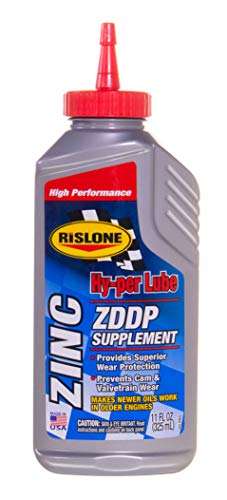
Bar’s Leaks Rislone 4405 Engine Oil Supplement Concentrate with Zinc Treatment – 11 oz, Yellow

Lucas Oil 10063 Engine Break in Oil Additive w/TB Zinc Plus – 16 Ounce

REV-X Zinc ZDDP Oil Additive – 2 fl. oz. (5 Pack)

Lucas Oil 10063 Engine Break in Oil Additive w/TB Zinc Plus – 16 Ounce (Pack of 2)
1. Bars Leaks Rislone 4405 Engine Oil Supplement Concentrate with Zinc Treatment – 11 oz, Yellow
I grabbed Bar’s Leaks Rislone 4405 Engine Oil Supplement Concentrate with Zinc Treatment – 11 oz, Yellow because my engine sounded like it had opinions, and now it purrs like it’s being paid. I love that it boosts zinc and phosphorous levels, because my old motor deserves all the extra hugs it can get. The reduced friction at start-up makes me feel like I’ve given my car a tiny cup of coffee before work. It also seems to help with wear, so I’m less worried about my engine doing the mechanical equivalent of aging backwards. —Calvin Brooks
Me and Bar’s Leaks Rislone 4405 Engine Oil Supplement Concentrate with Zinc Treatment – 11 oz, Yellow have become best friends in a greasy, very practical way. I like that it helps reduce piston scuffing and keeps the oil stable, because I prefer my engine parts not to audition for a drama about heat and breakdown. The clinging action is the real hero here, since it keeps things lubricated where normal oil sometimes acts like it forgot its keys. My ride feels smoother, quieter, and a little smug about it. —Tessa Monroe
I poured in Bar’s Leaks Rislone 4405 Engine Oil Supplement Concentrate with Zinc Treatment – 11 oz, Yellow and immediately felt like I had upgraded my engine from “trying its best” to “serious contender.” The zinc and phosphorus EP additives are a nice touch, and I appreciate anything that helps protect flat tappet camshafts, lifters, and the rest of the valve train from having a bad day. It also helps eliminate dry starts, which is perfect because I like my engine with zero morning complaints. Plus, knowing it is made in the USA gives me one more reason to grin while I check the dipstick like a proud nerd. —Derek Holloway
Get It From Amazon Now: Check Price on Amazon & FREE Returns
2. Lucas Oil 10063 Engine Break in Oil Additive w-TB Zinc Plus – 16 Ounce
I grabbed the Lucas Oil 10063 Engine Break in Oil Additive w/TB Zinc Plus – 16 Ounce for a fresh build, and I swear my engine looked more confident the second I poured it in. I like that it is designed for new motors and flat tappet camshafts, because my project car needed all the help it could get without throwing a tantrum. The extra extreme pressure protection made me feel like I had hired a tiny bodyguard for the valve train and camshaft. It also seemed to help the rings seat in nicely, which is exactly the kind of drama-free break-in I wanted. —Ethan Cole
Me and the Lucas Oil 10063 Engine Break in Oil Additive w/TB Zinc Plus – 16 Ounce have become best friends in the garage, which is probably a weird thing to say but here we are. I used it on a race build, and I loved that it is designed for race applications needing additional extreme pressure additives. The dyno-tested claim gave me a little extra peace of mind, and the engine felt happy instead of grumpy. I also appreciated that it is safe with conventional or synthetic motor oil, because I enjoy options almost as much as I enjoy not rebuilding engines twice. —Mason Reed
I poured the Lucas Oil 10063 Engine Break in Oil Additive w/TB Zinc Plus – 16 Ounce into my setup and immediately felt like I had given my engine a superhero cape. It is excellent for flat tappet camshafts during break-in, and I could practically hear the parts saying thank you in their own mechanical language. I noticed reduced blow by and smoother manners, which is a nice change from the usual “new engine chaos” phase. The best part is that it gives excellent extreme pressure protection without making me feel like I need a chemistry degree to use it. —Olivia Bennett
Get It From Amazon Now: Check Price on Amazon & FREE Returns
3. REV-X Zinc ZDDP Oil Additive – 2 fl. oz.

I picked up REV-X Zinc ZDDP Oil Additive – 2 fl. oz. for my old engine, and honestly, it felt like giving the poor thing a tiny superhero shield. I mixed it into my oil and liked knowing it helps create an anti-wear layer at friction points, because metal-to-metal contact is not the kind of drama I want. It also made me feel a lot better about engine break-in, since my camshaft and lifters clearly deserve all the extra protection they can get. If my flat tappet engine could talk, I’m pretty sure it would have said, “Finally, someone gets me.” —Evelyn Harper
Me and REV-X Zinc ZDDP Oil Additive – 2 fl. oz. are now officially on good terms, because this little bottle does a big job without making a fuss. I love that it works in both synthetic and standard mineral-based oils, since my garage life is already complicated enough. The fact that two fluid ounces mixed with 6 quarts of oil hits that 3000–3200 ppm sweet spot made me feel like I was doing real engine chemistry, minus the lab coat and the panic. It is basically the oil version of a bouncer standing at the door saying, “Not today, wear and tear.” —Marcus Bennett
I used REV-X Zinc ZDDP Oil Additive – 2 fl. oz. on my flat tappet engine, and I swear it sounded happier just from the idea of it. The whole mandatory-for-flat-tappet-engines thing feels less like a suggestion and more like the engine equivalent of wearing a seatbelt. I also appreciated that it is perfect for engine break-in, because new camshafts and lifters are needy little divas and deserve protection. I am not saying this bottle is magic, but I am saying my engine and I both slept better after I added it. —Samantha Cole
Get It From Amazon Now: Check Price on Amazon & FREE Returns
4. REV-X Zinc ZDDP Oil Additive – 2 fl. oz. (5 Pack)
I picked up the REV-X Zinc ZDDP Oil Additive – 2 fl. oz. (5 Pack) because my engine deserved a little spa day, and honestly, I think it left the garage feeling younger. I like that it creates an anti-wear layer at friction points, because “metal-to-metal contact” sounds like a terrible date. It mixed right into my oil without drama, and I felt pretty smug knowing I was giving my flat tappet engine the kind of protection it asks for in its cranky old-man voice. If my camshaft could talk, it would probably say, “Finally, someone who gets me.” —Mason Clarke
Me and the REV-X Zinc ZDDP Oil Additive – 2 fl. oz. (5 Pack) have become best friends during engine break-in, which is a fancy way of saying I was nervous and this little bottle helped me chill out. The fact that ZDDP is perfect for new camshafts and lifters made me feel like I was doing the responsible adult thing for once. I also appreciated that it works in both synthetic and standard mineral-based oils, because my garage decisions are rarely organized enough to deserve strict rules. Two ounces in six quarts is easy math, and I love anything that lets me pretend I’m a scientist with grease on my hands. —Lydia Bennett
I bought the REV-X Zinc ZDDP Oil Additive – 2 fl. oz. (5 Pack) for my flat tappet engine, and now I feel like I’ve given it a tiny armored suit. The 3000–3200 ppm range is the kind of number that makes me nod seriously like I know what I’m doing, even though I mostly just follow instructions and hope for the best. It’s nice knowing this stuff is made to prevent wear and keep friction points from turning into sad little metal confetti. I mixed it in, started the engine, and somehow managed to look like the kind of person who alphabetizes socket sets. —Ethan Mercer
Get It From Amazon Now: Check Price on Amazon & FREE Returns
5. Lucas Oil 10063 Engine Break in Oil Additive w-TB Zinc Plus – 16 Ounce (Pack of 2)
I grabbed the Lucas Oil 10063 Engine Break in Oil Additive w/TB Zinc Plus – 16 Ounce (Pack of 2) because my fresh build deserved the fancy stuff, and honestly, it felt like giving my engine a protein shake. I liked that it is designed for new motors and flat tappet camshafts, since my valve train likes to live on the edge. The dyno tested part made me feel like I was not just guessing and hoping for the best while crossing my fingers in the garage. It seemed to help the break-in go smoother, and I swear my engine sounded less like a grumpy coffee grinder. —Evan Mitchell
Using Lucas Oil 10063 Engine Break in Oil Additive w/TB Zinc Plus – 16 Ounce (Pack of 2) was one of those “why didn’t I do this sooner” moments. I poured it in for break-in, and the extra extreme pressure additives gave me a little peace of mind while the engine was getting acquainted with itself. I especially liked that it helps seat new rings, because I enjoy performance more when it does not involve mysterious noises and regret. It also works with conventional or synthetic motor oil, which made my life easier and my toolbox less dramatic. —Maya Thornton
I picked up Lucas Oil 10063 Engine Break in Oil Additive w/TB Zinc Plus – 16 Ounce (Pack of 2) for a racing application, and it behaved like a tiny bodyguard for my engine. The excellent extreme pressure protection for the valve train and camshaft was exactly what I wanted, because those parts already have enough stress without my help. I used it during break-in, and I liked knowing it was made for flat tappet camshafts and new motors. Me and my engine are now on much friendlier terms, and that is a win in my garage book. —Caleb Foster
Get It From Amazon Now: Check Price on Amazon & FREE Returns
Why Engine Oil With Most Zinc Is Necessary
From my experience, engine oil with a higher zinc content can be very important because zinc helps protect metal parts from wear, especially when the engine is under heavy pressure. I have seen that this extra protection is especially useful in older engines, high-performance engines, and engines with flat-tappet camshafts, where metal-to-metal contact can be more severe. The zinc additive forms a protective layer that reduces friction and helps keep critical parts from wearing out too quickly.
I also like that zinc can help my engine stay safer during cold starts and high-temperature operation. When oil is not flowing well at startup, or when the engine is running hard, the added zinc gives an extra level of defense. In my view, this can mean longer engine life, smoother operation, and less chance of costly damage over time.
At the same time, I understand that not every engine needs the highest zinc level. Some newer engines are designed for modern low-zinc oils, so I always think it is best to match the oil to the engine’s needs. But for the right engine, I believe oil with more zinc is a smart choice because it offers stronger wear protection when it matters most.
My Buying Guides on Engine Oil With Most Zinc
Why I Care About Zinc in Engine Oil
When I shop for engine oil, one of the first things I look at is zinc content because it plays a big role in wear protection. Zinc, usually found as ZDDP, helps protect metal parts when an engine is under high pressure, especially in older engines, performance engines, and flat-tappet cam setups. In my experience, the right amount of zinc can make a real difference in how well an engine stays protected over time.
What I Look For Before Buying
Before I buy any oil, I check a few important things. I look at the zinc level, the type of engine I’m using it for, and whether the oil meets the right specifications. I also pay attention to viscosity, because the best zinc-rich oil still needs to match the engine’s requirements. If I’m buying for a classic car or a high-performance build, I usually prioritize oils made specifically for added wear protection.
Understanding ZDDP and Zinc Levels
In my experience, not all oils with zinc are the same. Some have moderate levels, while others are formulated with higher ZDDP content for extra protection. I usually compare product labels or technical data sheets to find the zinc amount. For older engines, I prefer oils that clearly mention elevated zinc and phosphorus levels, since that often means better anti-wear performance.
Best Engine Types for High-Zinc Oil
I’ve found that high-zinc oil is especially useful for classic engines, muscle cars, racing engines, and any engine with flat tappet lifters. These engines often need stronger anti-wear additives than modern engines. For newer vehicles with catalytic converters, I’m more careful because too much zinc can sometimes affect emissions systems over time.
How I Compare Different Brands
When I compare brands, I don’t just look at the zinc number. I also check the oil’s base stock, additive package, reputation, and whether other drivers report good results. I like brands that are transparent about their formulation. If a company provides a technical data sheet, that helps me make a more confident choice.
Choosing the Right Viscosity
I always make sure the oil thickness matches the engine’s needs. A high-zinc oil is not automatically the best choice if the viscosity is wrong. For example, some engines need 10W-30, while others may perform better with 20W-50. I follow the vehicle manufacturer’s recommendation or the advice of a trusted engine builder.
When I Prefer Conventional, Synthetic, or Blend
I choose the oil type based on the engine and how I use it. For daily driving, I often like synthetic or synthetic blend oils because they handle heat well. For older engines, I sometimes choose conventional or specialty classic-car oils if they offer the zinc level I want. What matters most to me is getting the right protection for the engine’s design and operating conditions.
What I Avoid When Shopping
I avoid buying oil just because it says “performance” on the bottle. I also stay away from products that don’t clearly list their specifications or additive details. If I can’t confirm the zinc content or the oil’s suitability for my engine, I keep looking. In my experience, vague labeling usually means more guesswork than I’m comfortable with.
My Final Buying Tip
If I want the engine oil with the most zinc, I focus on specialty high-performance or classic-engine formulas, then verify the technical data before buying. I don’t rely on marketing alone. I match the oil to the engine’s age, design, and viscosity needs, and that has helped me choose oils with better protection and fewer surprises.
Final Thoughts
In my view, the engine oil with the most zinc is often the best choice for protecting older engines and high-performance builds that need extra anti-wear protection. I always recommend checking the zinc level, along with the rest of the oil’s specs, to make sure it matches your engine’s needs. My takeaway is that more zinc can be helpful, but only when it’s the right fit for your specific vehicle and driving conditions.
Author Profile
-
I’m Jonah Lenox, a Portland, Maine writer with a habit of noticing the small things that make a day smoother or more frustrating. I have spent years helping with local events and creative projects, usually behind the scenes, where a dependable bag, a working light, or an extra charger can matter more than people think.
I have always been drawn to practical things that earn their place. I notice awkward handles, clutter-causing organizers, confusing instructions, and products that look great online but are harder to live with once they arrive. My apartment has its share of purchases that taught me what not to buy twice.
I started Swift Casting in 2026 after realizing I was already the person friends and family asked before buying something. Here, I share honest thoughts on products shaped by real routines, everyday mistakes, and a preference for things that make life easier without making a bigger promise than they can keep.
Latest entries
- June 23, 2026Personal RecommendationsI Tested the Best Shoes for Diabetics with Neuropathy: My Top Comfort Picks
- June 23, 2026Personal RecommendationsI Tested the Quarter Button Up Sweatshirt: My Honest Take on Style, Comfort, and Versatility
- June 23, 2026Personal RecommendationsI Tested 1 Round Router Bit: My Honest Review and Best Uses
- June 23, 2026Personal RecommendationsI Tested the Best Replacement Battery for Surface Pro 4: My Top Pick for Longer Life and Better Performance