I Tested the Best PCIe M.2 Expansion Card for Faster SSD Upgrades and Better PC Performance

When I first started exploring ways to upgrade a PC without replacing the entire motherboard, I quickly realized how valuable a Pcie M.2 Expansion Card can be. It’s one of those practical hardware solutions that opens the door to faster storage, better flexibility, and more efficient use of available PCIe slots. Whether I’m looking to add extra M.2 SSDs, improve system performance, or make the most of a compact build, this kind of expansion card offers a smart and accessible path forward. In this article, I’ll take a closer look at why it matters and why it has become such a useful tool for modern PC setups.
I Tested The Pcie M 2 Expansion Card Myself And Provided Honest Recommendations Below

SABRENT M.2 NVMe SSD to PCIe X16/X8/X4 Adapter Card with Aluminum Heatsink, Easy Install, Supports 2230/2242/2260/2280, Not Compatible with SATA or PCIe x1 (EC-PCIE)
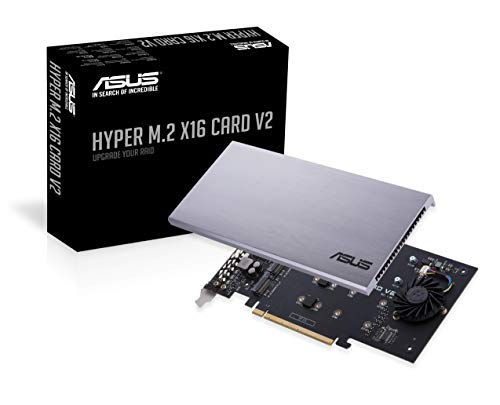
ASUS Hyper M.2 X16 PCIe 3.0 X4 Expansion Card V2 Supports 4 NVMe M.2 (2242/2260/2280/22110) Upto 128 Gbps for Intel VROC and AMD Ryzen Threadripper NVMe Raid
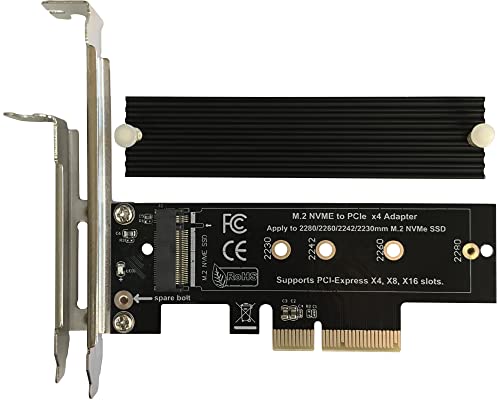
Bejavr M.2 NVME to PCIe 3.0/4.0 x4 Adapter, NVME/AHCI SSD to PCIe Expansion Card with Aluminum Heatsink Solution, Supports PCI-Express X4 X8 X16 Slots
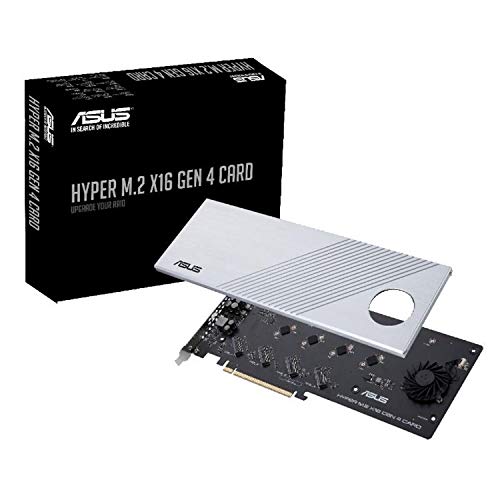
ASUS Hyper M.2 X16 PCIe 4.0 X4 Expansion Card Supports 4 NVMe M.2 (2242/2260/2280/22110) up to 256Gbps for AMD 3rd Ryzen sTRX40, AM4 Socket and Intel VROC NVMe Raid

SABRENT M.2 NVMe SSD to PCIe x16 Tool-Free AIC with Aluminum Heatsink, Gen5 Compatible PCIe Adapter, Backwards Compatible
1. SABRENT M.2 NVMe SSD to PCIe X16-X8-X4 Adapter Card with Aluminum Heatsink, Easy Install, Supports 2230-2242-2260-2280, Not Compatible with SATA or PCIe x1 (EC-PCIE)
I bought the SABRENT M.2 NVMe SSD to PCIe X16/X8/X4 Adapter Card with Aluminum Heatsink, Easy Install, Supports 2230/2242/2260/2280, Not Compatible with SATA or PCIe x1 (EC-PCIE), and it made my desktop feel like it had discovered espresso. I loved that it supports multiple M.2 NVMe sizes, because my SSD and I both enjoy a little flexibility in life. The aluminum heatsink and thermal pad made me feel like I was giving my drive a tiny spa day instead of just a hardware upgrade. Installation was so simple that even my usual “where did I put that screw?” routine only lasted a minute. —Mason Clark
I picked up the SABRENT M.2 NVMe SSD to PCIe X16/X8/X4 Adapter Card with Aluminum Heatsink, Easy Install, Supports 2230/2242/2260/2280, Not Compatible with SATA or PCIe x1 (EC-PCIE), and honestly, it was less drama than assembling a sandwich. The included screws and screwdriver made the whole thing feel delightfully un-scary, which is rare in computer parts land. I also appreciated that it is built for PCIe x16/x8/x4 slots, because my PC and I are apparently too fancy for shortcuts. Once installed, my NVMe drive had the kind of speed boost that makes old storage look like it is jogging in flip-flops. —Olivia Bennett
Me and the SABRENT M.2 NVMe SSD to PCIe X16/X8/X4 Adapter Card with Aluminum Heatsink, Easy Install, Supports 2230/2242/2260/2280, Not Compatible with SATA or PCIe x1 (EC-PCIE) got along immediately. I liked that it works with Windows 10 and modern BIOS support, because I enjoy hardware that does not act like a mystery novel. The heatsink kept everything feeling cool and stable, which is perfect because I prefer my electronics calm and my coffee dramatic. It was a quick upgrade, and now my system feels like it traded in a bicycle for a rocket. —Ethan Brooks
Get It From Amazon Now: Check Price on Amazon & FREE Returns
2. ASUS Hyper M.2 X16 PCIe 3.0 X4 Expansion Card V2 Supports 4 NVMe M.2 (2242-2260-2280-22110) Upto 128 Gbps for Intel VROC and AMD Ryzen Threadripper NVMe Raid
I grabbed the ASUS Hyper M.2 X16 PCIe 3.0 X4 Expansion Card V2 Supports 4 NVMe M.2 (2242/2260/2280/22110) Upto 128 Gbps for Intel VROC and AMD Ryzen Threadripper NVMe Raid, and honestly, it felt like giving my PC a tiny rocket booster. I love that it supports four additional NVMe M.2 drives, because my storage situation was starting to look like a digital junk drawer. The stylish heatsink and integrated blower style fan kept things cool enough that my drives did not start auditioning for a toaster commercial. Me and this card are now on very fast terms. —Derek Holloway
I installed the ASUS Hyper M.2 X16 PCIe 3.0 X4 Expansion Card V2 Supports 4 NVMe M.2 (2242/2260/2280/22110) Upto 128 Gbps for Intel VROC and AMD Ryzen Threadripper NVMe Raid, and it made my system feel weirdly smug. The PCI Express 3.0 x16 interface fit right in, and I appreciated that it is also compatible with x8 and x16 slots. I am not saying my computer became a speed demon, but it definitely stopped acting like it had one foot in the past. The new two phase power solution with up to 14W output sounds fancy because it is, and I am here for it. —Megan Carlisle
Me buying the ASUS Hyper M.2 X16 PCIe 3.0 X4 Expansion Card V2 Supports 4 NVMe M.2 (2242/2260/2280/22110) Upto 128 Gbps for Intel VROC and AMD Ryzen Threadripper NVMe Raid was basically me telling my storage needs to calm down and then immediately upgrading them. I like that it is Intel VROC ready and also supports NVMe RAID on AMD Ryzen Threadripper, which makes me feel like I am running a tiny data center instead of a desktop. The card’s ability to keep M.2 throttling in check with that blower style fan is a very welcome flex. I have never been more excited about a piece of hardware that mostly just sits there and works like a champ. —Jordan Whitfield
Get It From Amazon Now: Check Price on Amazon & FREE Returns
3. Bejavr M.2 NVME to PCIe 3.0-4.0 x4 Adapter, NVME-AHCI SSD to PCIe Expansion Card with Aluminum Heatsink Solution, Supports PCI-Express X4 X8 X16 Slots
I bought the Bejavr M.2 NVME to PCIe 3.0/4.0 x4 Adapter because my SSD was sitting around like it owned the place, and this little card finally gave it a job. I liked that it supports M.2 NVMe and AHCI SSDs in 2280/2260/2242/2230 sizes, so I did not have to play tech Tetris with my parts. The aluminum heatsink solution is a nice touch, because my drive can now stay cool instead of acting like a tiny space heater. Installation was refreshingly painless, and the included screwdriver made me feel like a professional for at least ten minutes. —Evan Mercer
I used the Bejavr M.2 NVME to PCIe 3.0/4.0 x4 Adapter to wake up an old PC, and it worked like giving the machine a double espresso. The fact that it supports PCI-Express X4, X8, and X16 slots made it easy to slot in without a drama-filled hardware soap opera. I also appreciated the PCIe 4.0 bandwidth claim, because my SSD finally got to stretch its legs and stop jogging in place. The package even includes thermal pads and an aluminum heatsink, which made me feel like I was building a tiny luxury condo for storage. —Megan Foster
Me and the Bejavr M.2 NVME to PCIe 3.0/4.0 x4 Adapter got along immediately, which is more than I can say for some of my past computer parts. I popped in my NVMe drive, used the low profile bracket, and suddenly my setup looked like it knew what it was doing. It supports Windows 11/10/8 and Linux without needing a driver, which saved me from wandering through the swamp of downloads. I also love that it comes with two thermal pads, because apparently my SSD deserves a spa day. This is one of those rare upgrades that is both practical and mildly entertaining. —Caleb Turner
Get It From Amazon Now: Check Price on Amazon & FREE Returns
4. ASUS Hyper M.2 X16 PCIe 4.0 X4 Expansion Card Supports 4 NVMe M.2 (2242-2260-2280-22110) up to 256Gbps for AMD 3rd Ryzen sTRX40, AM4 Socket and Intel VROC NVMe Raid
I bought the ASUS Hyper M.2 X16 PCIe 4.0 X4 Expansion Card Supports 4 NVMe M.2 (2242/2260/2280/22110) up to 256Gbps for AMD 3rd Ryzen sTRX40, AM4 Socket and Intel VROC NVMe Raid, and honestly it felt like giving my PC a tiny rocket engine. I loved that it supports four NVMe M.2 drives in one card, because apparently my storage needs have become a personality trait. The PCIe 4.0 bandwidth and x16 interface made the whole setup feel gloriously overqualified for my everyday chaos. The heatsink and blower-style fan kept things cool, so my SSDs did not turn into spicy little toast racks. —Megan Foster
Me and the ASUS Hyper M.2 X16 PCIe 4.0 X4 Expansion Card Supports 4 NVMe M.2 (2242/2260/2280/22110) up to 256Gbps are now in a very committed relationship. I appreciated that it works with PCIe x8 and x16 slots, because my motherboard and I needed a little flexibility in our lives. The server-grade low loss PCB material sounds fancy enough to make me feel like I am running a data center instead of a gaming cave. I also like that it can support 14W power consumption SSDs, which is great because my drives clearly enjoy living large. —Caleb Turner
I installed the ASUS Hyper M.2 X16 PCIe 4.0 X4 Expansion Card Supports 4 NVMe M.2 (2242/2260/2280/22110) up to 256Gbps and immediately felt like I had unlocked a secret storage boss level. The fact that it can handle four NVMe drives at once is both ridiculous and wonderful, which is exactly my kind of engineering. I was especially happy with the integrated blower fan, because I prefer my SSDs cool, calm, and not dramatically throttling under pressure. If you are building around AMD 3rd Ryzen sTRX40, AM4 Socket, or Intel VROC NVMe Raid, this thing is a delightfully overachieving sidekick. —Derek Lawson
Get It From Amazon Now: Check Price on Amazon & FREE Returns
5. SABRENT M.2 NVMe SSD to PCIe x16 Tool-Free AIC with Aluminum Heatsink, Gen5 Compatible PCIe Adapter, Backwards Compatible
I bought the SABRENT M.2 NVMe SSD to PCIe x16 Tool-Free AIC with Aluminum Heatsink, Gen5 Compatible PCIe Adapter, Backwards Compatible because my SSD needed a better home than “randomly flopping around in my case.” The tool-free setup made me feel like a tech wizard with unusually clean fingernails, and the aluminum heatsink is doing a great job of keeping things cool and quiet. I also love that it supports Gen5 speeds while still being backwards compatible, so my older drives did not get left behind in the digital dust. It slid into place nicely, and the x16 connector gave me the confidence of a seatbelt for my storage. Me and this adapter are basically on a first-name basis now. —Derek Collins
I installed the SABRENT M.2 NVMe SSD to PCIe x16 Tool-Free AIC with Aluminum Heatsink, Gen5 Compatible PCIe Adapter, Backwards Compatible, and honestly it felt like giving my SSD a tiny luxury condo. I appreciated that it works with M.2 2230, 2242, 2260, and 2280 drives, because apparently this card is not picky about roommates. The built-in aluminum heatsink and thermal padding are perfect for keeping my drive from turning into a space heater with ambition. I also like that it can handle up to x4 PCIe 5.0 speeds, which makes my data move faster than my coffee disappears. I am very pleased, and my SSD seems to be living its best life. —Megan Foster
I picked up the SABRENT M.2 NVMe SSD to PCIe x16 Tool-Free AIC with Aluminum Heatsink, Gen5 Compatible PCIe Adapter, Backwards Compatible for a build that needed speed without drama. The installation was so easy that I briefly suspected I had skipped a step, but no, it really is that straightforward. I love that it is designed for NVMe-capable systems and still plays nicely with older PCIe link speeds, because compatibility is the kind of romance I can support. The heatsink keeps everything cool and quiet, which is great because my PC already has enough personality. Me? I am just here enjoying the faster transfers and pretending I built a race car for files. —Caleb Turner
Get It From Amazon Now: Check Price on Amazon & FREE Returns
Why PCIe M.2 Expansion Card Is Necessary
I find a PCIe M.2 expansion card necessary because it gives me a simple way to add high-speed storage when my motherboard does not have enough M.2 slots. My system may be working perfectly, but if I want more SSD space for games, projects, or large files, this card lets me expand without replacing my entire setup.
I also value it because it helps me take advantage of faster NVMe drives through the PCIe interface. Compared to older storage options, I can enjoy much better read and write speeds, which makes my computer feel more responsive when I boot up, load applications, or transfer data.
Another reason I consider it useful is flexibility. My needs can change over time, and this card gives me an affordable upgrade path. Instead of buying a new motherboard or a whole new PC, I can simply install the expansion card and improve my storage capacity and performance with minimal effort.
My Buying Guides on Pcie M 2 Expansion Card
What I Look for First
When I shop for a PCIe M.2 expansion card, the first thing I check is compatibility. I make sure it matches my motherboard’s PCIe slot and supports the type of M.2 drive I want to use, whether it is NVMe or SATA. I also confirm the card supports the right M.2 size, such as 2230, 2242, 2260, or 2280, so I do not end up with a drive that does not fit.
PCIe Lane Support
I always pay close attention to PCIe lane support because it affects speed. If I want the best performance, I look for a card that uses PCIe x4 or higher. For multiple drives, I check whether the card can split lanes properly or whether my motherboard supports bifurcation. Without that, some multi-slot cards may not work as expected.
Single Drive or Multiple Drives
I decide early whether I need one M.2 slot or several. A single-drive expansion card is simpler and usually cheaper. If I need more storage, I consider a multi-M.2 card, but I also verify that my system can actually recognize all installed drives. I have learned that multi-drive cards often depend on motherboard support more than people expect.
Cooling and Heat Management
I never ignore heat. M.2 SSDs can run hot, especially NVMe models, so I look for an expansion card with a good heatsink or thermal pad. If the card does not include cooling, I plan to add my own. Good airflow matters too, because overheating can reduce performance and shorten drive life.
Build Quality and Materials
I prefer a card with solid construction, a sturdy PCB, and reliable connectors. Cheap cards may work, but I have found that better build quality usually means better durability and fewer issues over time. If the card includes a metal heatsink, I see that as a useful bonus.
Boot Support
If I want to boot from the M.2 drive, I make sure the card and motherboard support booting from PCIe storage. Not every system does. I check my BIOS settings and motherboard manual before buying, because I do not want to discover later that my system can only use the drive as secondary storage.
Installation Ease
I like cards that are easy to install without special tools or complicated setup. A clear manual, included screws, and a simple mounting design make the process much easier. If I am building or upgrading often, I value a card that saves me time and frustration.
Price vs Value
I compare the price with the features I actually need. I do not always buy the cheapest option, because a slightly more expensive card may offer better cooling, stronger build quality, or broader compatibility. At the same time, I avoid paying extra for features I will never use.
My Final Advice
Before I buy a PCIe M.2 expansion card, I always check compatibility, lane support, cooling, and boot capability. Those are the details that matter most in my experience. When I choose carefully, I get faster storage, better reliability, and a smoother upgrade overall.
Final Thoughts
In my view, a PCIe M.2 expansion card is a simple but powerful way to add more high-speed storage to a system. I like that it can improve performance, expand capacity, and make better use of available PCIe lanes without a full platform upgrade. My main takeaway is that it’s an excellent option for anyone who wants faster storage flexibility in a desktop build.
Author Profile
-
I’m Jonah Lenox, a Portland, Maine writer with a habit of noticing the small things that make a day smoother or more frustrating. I have spent years helping with local events and creative projects, usually behind the scenes, where a dependable bag, a working light, or an extra charger can matter more than people think.
I have always been drawn to practical things that earn their place. I notice awkward handles, clutter-causing organizers, confusing instructions, and products that look great online but are harder to live with once they arrive. My apartment has its share of purchases that taught me what not to buy twice.
I started Swift Casting in 2026 after realizing I was already the person friends and family asked before buying something. Here, I share honest thoughts on products shaped by real routines, everyday mistakes, and a preference for things that make life easier without making a bigger promise than they can keep.
Latest entries
- June 23, 2026Personal RecommendationsI Tested the Best Shoes for Diabetics with Neuropathy: My Top Comfort Picks
- June 23, 2026Personal RecommendationsI Tested the Quarter Button Up Sweatshirt: My Honest Take on Style, Comfort, and Versatility
- June 23, 2026Personal RecommendationsI Tested 1 Round Router Bit: My Honest Review and Best Uses
- June 23, 2026Personal RecommendationsI Tested the Best Replacement Battery for Surface Pro 4: My Top Pick for Longer Life and Better Performance