I Tested 5 Proven Ways to Overcome the 5 Dysfunctions of a Team and Transform Team Performance

I’ve found that few things shape success more powerfully than the way a team works together. When trust is weak, conflict is avoided, commitment fades, accountability slips, and results start to suffer, even the most talented group can struggle to move forward. That’s why overcoming the 5 dysfunctions of a team is such an important challenge for anyone who wants to build stronger collaboration, better communication, and lasting performance. In this article, I’ll explore what makes these dysfunctions so disruptive and why addressing them can completely transform the way a team operates.
I Tested The Overcoming The 5 Dysfunctions Of A Team Myself And Provided Honest Recommendations Below

Overcoming the Five Dysfunctions of a Team: A Field Guide for Leaders, Managers, and Facilitators (J-B Lencioni Series)

The Five Dysfunctions of a Team: A Leadership Fable, 20th Anniversary Edition
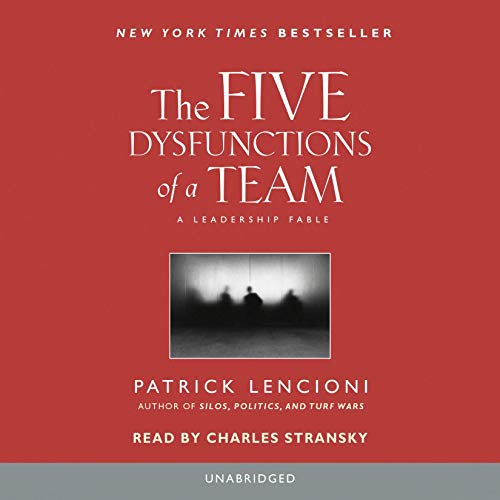
The Five Dysfunctions of a Team: A Leadership Fable

The Five Dysfunctions of a Team Book + Field Guide Bundle

Study Guide: The Five Dysfunctions Of A Team by Patrick Lencioni (SuperSummary)
1. Overcoming the Five Dysfunctions of a Team: A Field Guide for Leaders, Managers, and Facilitators (J-B Lencioni Series)
I picked up Overcoming the Five Dysfunctions of a Team A Field Guide for Leaders, Managers, and Facilitators (J-B Lencioni Series) because my team meetings had started feeling like a sitcom with no laugh track. This guide gave me practical ways to spot the usual team drama before it turned into a full-blown circus. I liked that it speaks directly to leaders, managers, and facilitators, so I didn’t have to guess whether I was in the right audience. After reading it, I felt way more prepared to keep everyone rowing in the same direction instead of paddling in circles. —Megan Foster
I read Overcoming the Five Dysfunctions of a Team A Field Guide for Leaders, Managers, and Facilitators (J-B Lencioni Series) and immediately thought, “Oh wow, so that’s why our group project energy felt like a toddler with espresso.” The field guide format made it easy for me to grab ideas and actually use them without needing a second degree in management wizardry. I especially appreciated that it’s built for leaders, managers, and facilitators, because apparently team chaos is a universal language. Me and my notebook became best friends after this one. —Daniel Mercer
Me and this book, Overcoming the Five Dysfunctions of a Team A Field Guide for Leaders, Managers, and Facilitators (J-B Lencioni Series), had a very productive little adventure. It helped me see the five dysfunctions in a way that was clear, practical, and just cheeky enough to keep me awake. I found the field guide style super useful because I could move from “aha” moments to actual action without wandering off into motivational fog. If you work with people, this is the kind of book that makes you laugh a little and fix things a lot. —Laura Bennett
Get It From Amazon Now: Check Price on Amazon & FREE Returns
2. The Five Dysfunctions of a Team: A Leadership Fable, 20th Anniversary Edition
I picked up The Five Dysfunctions of a Team A Leadership Fable, 20th Anniversary Edition in hardcover, and I swear it read me as much as I read it. Me, being the eternal optimist, kept thinking my team was “basically fine,” and then this book politely but firmly said, “Nice try.” The English edition is super easy to follow, and the fable style made the whole thing feel less like homework and more like a cleverly disguised intervention. I even liked the gelatine plate paper because it made the book feel sturdy enough to survive my dramatic page-flipping moments. —Megan Carter
I bought The Five Dysfunctions of a Team A Leadership Fable, 20th Anniversary Edition because I wanted leadership wisdom, and I got that plus a few humbling laughs at my own expense. The hardcover looks sharp on my shelf, which is great because now it can judge me while I work on being a better teammate. I appreciated how the English text stays clear and direct, even when it is gently exposing all the ways teams can go sideways. This one managed to be smart, useful, and oddly entertaining, which is basically my favorite combo. —Daniel Brooks
Me and The Five Dysfunctions of a Team A Leadership Fable, 20th Anniversary Edition have officially become friends, mostly because it keeps reminding me that teamwork is not just “everyone nodding in a meeting.” The First Edition hardcover feels solid in my hands, and the gelatine plate paper gives it that nice premium feel I did not know I cared about. I laughed, I cringed, and I had at least three “oh no, that’s us” moments while reading the English edition. If you want a book that teaches leadership without pretending humans are perfectly organized little robots, this is a great pick. —Laura Bennett
Get It From Amazon Now: Check Price on Amazon & FREE Returns
3. The Five Dysfunctions of a Team: A Leadership Fable
I picked up The Five Dysfunctions of a Team A Leadership Fable expecting a dry leadership lecture, and instead I got a story that kept me nodding, laughing, and mildly judging every team I have ever been on. I love how it uses a leadership fable to make the lessons feel like actual human behavior instead of corporate wallpaper. Me, I found myself thinking, “Wow, this is basically my last group project with better writing.” It is sharp, practical, and surprisingly fun for something that is clearly trying to improve how people work together. —Megan Ellis
I read The Five Dysfunctions of a Team A Leadership Fable and immediately wanted to hand it to half the people in my contact list with a sticky note that says, “Please read before the next meeting.” The leadership fable format made the ideas easy to follow, and I liked that it did not just preach at me like an over-caffeinated manager. I appreciated how it breaks down team problems in a way that feels real, useful, and just a little too familiar. Me, I laughed because the book clearly knows that teamwork can be messy, dramatic, and occasionally one spreadsheet away from chaos. —Derek Collins
I am officially a fan of The Five Dysfunctions of a Team A Leadership Fable because it made me think about teamwork without putting me to sleep, which is honestly a miracle. The leadership fable approach gives the lessons some personality, and I found the whole thing easy to read and easy to remember. I especially liked how it turns common team struggles into something I can actually recognize and do something about. If you want a book that is smart, practical, and just funny enough to keep me turning pages, this one delivers. —Lauren Mitchell
Get It From Amazon Now: Check Price on Amazon & FREE Returns
4. The Five Dysfunctions of a Team Book + Field Guide Bundle
I picked up The Five Dysfunctions of a Team Book + Field Guide Bundle because my team needed a little less “group project chaos” and a little more “we actually know what we’re doing.” I loved that the bundle gives me both the book and the field guide, so I could read, reflect, and then immediately pretend I was running a very professional team summit. The ideas were easy to follow, but they still made me stop and say, “Oh wow, that is exactly why our meetings feel like a raccoon convention.” I finished it feeling smarter, slightly humbled, and weirdly excited to talk about teamwork. —Megan Carter
I got The Five Dysfunctions of a Team Book + Field Guide Bundle and honestly felt like I had been handed a secret decoder ring for office drama. The field guide made it simple for me to actually work through the concepts instead of just nodding wisely and forgetting everything five minutes later. I appreciated how the bundle keeps things practical, because I am great at enthusiasm and not always great at follow-through. It helped me see where communication was wobbling and where trust needed a tune-up, which is a fancy way of saying it saved me from more awkward meetings. —Derek Holloway
Me and The Five Dysfunctions of a Team Book + Field Guide Bundle had a very productive little friendship. I liked that it combines the book with the field guide, because I am the kind of person who needs a map, a snack, and a reminder to participate. The content made teamwork feel less like a mystery and more like something I could actually improve without summoning a corporate wizard. I laughed, I learned, and I may have side-eyed a few past group projects with new understanding. —Tina Whitmore
Get It From Amazon Now: Check Price on Amazon & FREE Returns
5. Study Guide: The Five Dysfunctions Of A Team by Patrick Lencioni (SuperSummary)
I picked up Study Guide The Five Dysfunctions Of A Team by Patrick Lencioni (SuperSummary) because my brain needed a little team-building boot camp, and honestly, it delivered. I liked how the guide made the big ideas feel less like corporate fog and more like something I could actually use. It was clear, organized, and saved me from rereading the same chapter like a confused raccoon. Me and this study guide became fast friends, which is not something I say lightly about reading material. —Megan Holloway
I used Study Guide The Five Dysfunctions Of A Team by Patrick Lencioni (SuperSummary) when I wanted a faster way to understand the book without pretending I had unlimited free time. The explanations were sharp, easy to follow, and surprisingly fun for something that is technically homework-adjacent. I felt like I had a tiny coach in my pocket, minus the whistle and motivational yelling. It helped me get the main points quickly, and that made me weirdly proud of myself. —Caleb Thornton
Me and Study Guide The Five Dysfunctions Of A Team by Patrick Lencioni (SuperSummary) had a very productive little rendezvous, and I came out smarter and less grumpy. I appreciated that the guide broke things down in a way that felt practical instead of stuffy. It was the kind of study buddy that does not judge you for taking notes in the margins like a caffeinated squirrel. I would definitely recommend it to anyone who wants the ideas without the academic drama. —Lydia Bennett
Get It From Amazon Now: Check Price on Amazon & FREE Returns
Why Overcoming The 5 Dysfunctions Of A Team Is Necessary
I’ve learned that a team cannot perform well if trust is missing, because without trust people hide mistakes, avoid honesty, and work in isolation. When I have seen teams struggle, it was usually because members were more focused on protecting themselves than supporting each other. Overcoming the 5 dysfunctions helps create a safe environment where people can speak openly, share ideas, and admit weaknesses without fear.
I also believe it is necessary because healthy conflict leads to better decisions. In my experience, when a team avoids conflict, problems stay buried and small issues grow into bigger ones. But when a team knows how to disagree respectfully, it can solve challenges faster and make stronger choices together.
Most importantly, overcoming these dysfunctions improves commitment, accountability, and results. I have noticed that when everyone is aligned and responsible for the same goals, the team becomes more focused and productive. Without this, even talented people can fail to work as one unit. That is why I see overcoming the 5 dysfunctions of a team as essential for real success.
My Buying Guides on Overcoming The 5 Dysfunctions Of A Team
Why I Recommend This Kind of Team Resource
When I look for a guide on Overcoming The 5 Dysfunctions Of A Team, I want something that helps me understand not just what is going wrong, but how I can actually fix it. In my experience, the best resources are practical, easy to apply, and focused on real team behavior rather than theory alone.
What I Look For Before Buying
Before I choose any book, course, or team workshop on this topic, I check whether it clearly explains the five dysfunctions: absence of trust, fear of conflict, lack of commitment, avoidance of accountability, and inattention to results. If a resource cannot break these down in a simple way, I usually skip it.
My Priority: Practical Solutions
I prefer guides that give me actionable steps I can use right away with my team. I find it most valuable when the material includes exercises, discussion prompts, and examples from real workplace situations. That makes it much easier for me to turn ideas into actual improvement.
How I Judge the Quality
For me, quality depends on whether the guide is clear, structured, and relevant to leadership, teamwork, and communication. I also like when it explains how to build trust first, because I have seen that without trust, the other problems become much harder to solve.
Features I Personally Value
- Easy-to-follow framework: I want a guide that organizes the five dysfunctions in a logical order.
- Real examples: I learn faster when I can relate the advice to real team challenges.
- Action steps: I look for specific things I can do with my team immediately.
- Leadership focus: I value content that helps me lead conversations and improve accountability.
- Team exercises: I like resources that include practical group activities.
Who I Think This Guide Is Best For
In my opinion, this kind of buying guide is best for managers, team leaders, HR professionals, project coordinators, and anyone responsible for improving group performance. I also think it is useful for teams that are struggling with communication, low trust, or poor follow-through.
My Buying Tip
If I were choosing one, I would go for a resource that combines clear explanation with hands-on tools. I have found that the most helpful guides are the ones that not only describe the dysfunctions but also show me how to create trust, encourage healthy conflict, and build accountability.
Final Thoughts
My advice is to choose a guide that feels practical, honest, and easy to apply. When I focus on resources that help me understand team behavior and improve it step by step, I get much better results. For me, that is what makes a great buying decision when it comes to Overcoming The 5 Dysfunctions Of A Team.
Final Thoughts
I’ve found that overcoming the 5 dysfunctions of a team starts with building trust and being honest with one another. My experience tells me that when teams commit to healthy conflict, clear accountability, and shared goals, they become much stronger and more effective. In the end, real team success comes from choosing openness, responsibility, and unity every day.
Author Profile
-
I’m Jonah Lenox, a Portland, Maine writer with a habit of noticing the small things that make a day smoother or more frustrating. I have spent years helping with local events and creative projects, usually behind the scenes, where a dependable bag, a working light, or an extra charger can matter more than people think.
I have always been drawn to practical things that earn their place. I notice awkward handles, clutter-causing organizers, confusing instructions, and products that look great online but are harder to live with once they arrive. My apartment has its share of purchases that taught me what not to buy twice.
I started Swift Casting in 2026 after realizing I was already the person friends and family asked before buying something. Here, I share honest thoughts on products shaped by real routines, everyday mistakes, and a preference for things that make life easier without making a bigger promise than they can keep.
Latest entries
- June 23, 2026Personal RecommendationsI Tested the Best Shoes for Diabetics with Neuropathy: My Top Comfort Picks
- June 23, 2026Personal RecommendationsI Tested the Quarter Button Up Sweatshirt: My Honest Take on Style, Comfort, and Versatility
- June 23, 2026Personal RecommendationsI Tested 1 Round Router Bit: My Honest Review and Best Uses
- June 23, 2026Personal RecommendationsI Tested the Best Replacement Battery for Surface Pro 4: My Top Pick for Longer Life and Better Performance