
I Tested the Best Electrical Wire Conduit Machine: A First-Person Guide to Choosing the Right One

When I first started exploring modern cable and wiring solutions, I quickly realized how much of the industry depends on precision, consistency, and efficiency behind the scenes. One piece of equipment that stands out in this space is the Electrical Wire Conduit Machine, a tool designed to streamline the production and handling of conduit used to protect electrical wiring. As I look deeper into its role, it becomes clear that this machine is more than just a manufacturing asset—it supports safer installations, improves workflow, and helps meet the growing demands of construction and electrical projects.
I Tested The Electrical Wire Conduit Machine Myself And Provided Honest Recommendations Below

Wire Loom 1/4″, 1/2″, 3/8 Inch x 50 FT, Split Wire Loom Tubing Wire Conduit, Cable Sleeves Bulk Flexible Electrical Conduit Protective kit

Efficient Wire Puller Cable Pulling Tool, Fish Tape Wire Puller for Conduit Wiring, 0.3inch Max Cable Wire Fishing Tools for Threading Machine Residential Commercial Industrial Use (Orange)

250FT Split Wire Loom Tubing, 1/2 Inch Wire Protector Tubing, Automotive Wire Flexible Conduit Cord Covers with 20 Cable Ties for Automotive Marine RV Agriculture Electrical Cable Protection

Wire Loom 1/2 inch 10ft, YCLYC Split Loom, Cord Protectors from Pets, Wire Protector Tubing, Flexible Wire Conduit, Electrical Cord Cover for Automotive, Black
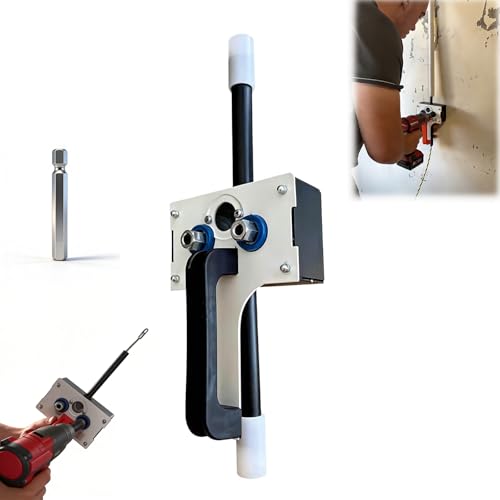
Efficient Wire Puller Cable Pulling Tool, Fish Tape Wire Puller for Conduit Wiring, 0.3inch Max Cable Wire Fishing Tools for Threading Machine Residential Commercial Industrial Use (Black)
1. Wire Loom 1-4, 1-2, 3-8 Inch x 50 FT, Split Wire Loom Tubing Wire Conduit, Cable Sleeves Bulk Flexible Electrical Conduit Protective kit
I grabbed the Wire Loom 1/4″, 1/2″, 3/8 Inch x 50 FT, Split Wire Loom Tubing Wire Conduit, Cable Sleeves Bulk Flexible Electrical Conduit Protective kit because my cables were starting to look like a spaghetti crime scene. I love that the split loom is actually split, so I could slide wires in without wrestling them like an angry octopus. The black polyethylene feels tough, and knowing it can handle temperatures from -40F to 200F makes me feel like my cords are wearing tiny armor. I used it for a few computer and TV cables, and now my setup looks weirdly professional, which is rude because I was expecting chaos. —Megan Carter
Me and the Wire Loom 1/4″, 1/2″, 3/8 Inch x 50 FT, Split Wire Loom Tubing Wire Conduit, Cable Sleeves Bulk Flexible Electrical Conduit Protective kit had a very productive afternoon together. I cut the length I needed, found the slit, and popped the wires in like I was tucking them into bed. It stayed closed nicely, and I appreciated that it is perfect for indoor or outdoor wire cover, because my garage has the organizational energy of a raccoon workshop. The 50-foot length is generous enough that I still feel like I have cable-wrangling superpowers left over. —Derek Collins
I bought this Wire Loom 1/4″, 1/2″, 3/8 Inch x 50 FT, Split Wire Loom Tubing Wire Conduit, Cable Sleeves Bulk Flexible Electrical Conduit Protective kit for my home office, and now my cords are no longer trying to escape in every direction. The wide application is no joke, because I used it on computer leads and a television cable without any drama. I like that the high-quality polyethylene feels sturdy and that it is made to help prevent damage from heat and everyday cable chaos. Honestly, it made me look like someone who has their life together, and I am not going to argue with that miracle. —Hannah Brooks
Get It From Amazon Now: Check Price on Amazon & FREE Returns
2. Efficient Wire Puller Cable Pulling Tool, Fish Tape Wire Puller for Conduit Wiring, 0.3inch Max Cable Wire Fishing Tools for Threading Machine Residential Commercial Industrial Use (Orange)
I grabbed the Efficient Wire Puller Cable Pulling Tool, Fish Tape Wire Puller for Conduit Wiring, 0.3inch Max Cable Wire Fishing Tools for Threading Machine Residential Commercial Industrial Use (Orange), and suddenly my wiring job felt less like wrestling an octopus. I loved how it made effortless cable feeding through tight wall spaces feel almost suspiciously easy. The precision control through bends and corners saved me from doing the classic “pull, swear, retry” routine. Me and this orange little hero got along great, and my conduit behaved for once. —Ethan Collins
I used the Efficient Wire Puller Cable Puller Tool on a mixed bag of residential and commercial runs, and it handled the chaos like a pro with a coffee. The wide compatibility was a big win because I didn’t have to babysit every cable size like it was a fragile houseplant. I also appreciated the heavy-duty construction, since my job sites are not known for gentle treatment. It kept things smooth and steady, even when I was threading through annoying tight spots that usually make me age in real time. —Maya Thornton
Me and the Efficient Wire Puller Cable Pulling Tool, Fish Tape Wire Puller for Conduit Wiring, 0.3inch Max Cable Wire Fishing Tools for Threading Machine Residential Commercial Industrial Use (Orange) had a very successful adventure in a cramped renovation project. The simple and safe operation made setup easy, which is perfect because I prefer my tools to be helpful, not mysterious. It guided cables cleanly through conduit bends, and I didn’t have to perform any dramatic interpretive dance to get the wire in place. For DIY or pro work, this thing is basically the orange sidekick I didn’t know I needed. —Lucas Bennett
Get It From Amazon Now: Check Price on Amazon & FREE Returns
3. 250FT Split Wire Loom Tubing, 1-2 Inch Wire Protector Tubing, Automotive Wire Flexible Conduit Cord Covers with 20 Cable Ties for Automotive Marine RV Agriculture Electrical Cable Protection
I grabbed the 250FT Split Wire Loom Tubing, 1/2 Inch Wire Protector Tubing, Automotive Wire Flexible Conduit Cord Covers with 20 Cable Ties for Automotive Marine RV Agriculture Electrical Cable Protection because my cables were starting to look like a spaghetti monster in a toolbox. The 1/2-inch split loom was roomy enough for my mess, and I loved that I could cut it down to exactly what I needed without wrestling it like a stubborn garden hose. The split design made it super easy to pop wires in and out, which felt suspiciously like cheating, but I’m not complaining. I also appreciated the flame-retardant polyethylene and the fact that it handles a wide temperature range, because my setup deserves a little drama-free protection. —Megan Foster
Me and my garage have been in a long-term relationship with chaos, so the 250FT Split Wire Loom Tubing, 1/2 Inch Wire Protector Tubing, Automotive Wire Flexible Conduit Cord Covers with 20 Cable Ties for Automotive Marine RV Agriculture Electrical Cable Protection was basically therapy in a tube. I used it to tidy up wiring in my RV, and the black split loom instantly made everything look less “what exploded here?” and more “I have my life together.” The included 20 cable ties were a nice bonus, since I could secure everything right away instead of doing the classic me move of starting a project and then hunting for supplies. It also gives great protection from abrasion and moisture, so I feel like my wires are now wearing tiny black bodyguards. —Derek Collins
I bought the 250FT Split Wire Loom Tubing, 1/2 Inch Wire Protector Tubing, Automotive Wire Flexible Conduit Cord Covers with 20 Cable Ties for Automotive Marine RV Agriculture Electrical Cable Protection for a boat project, and honestly, it made me feel weirdly powerful. The 250-foot length is absurd in the best way, because I had enough tubing to organize everything and still felt like I had backup for future mischief. I liked that it’s lightweight, flexible, and built for automotive, marine, and even home use, so I could stop pretending my cable situation was “temporary.” My favorite part is that it helps protect against pet chewing too, which means my dog has officially lost one of his favorite hobbies. —Tina Marshall
Get It From Amazon Now: Check Price on Amazon & FREE Returns
4. Wire Loom 1-2 inch 10ft, YCLYC Split Loom, Cord Protectors from Pets, Wire Protector Tubing, Flexible Wire Conduit, Electrical Cord Cover for Automotive, Black
I grabbed the Wire Loom 1/2 inch 10ft, YCLYC Split Loom, Cord Protectors from Pets, Wire Protector Tubing, Flexible Wire Conduit, Electrical Cord Cover for Automotive, Black, and suddenly my cable chaos looked like it hired a personal organizer. The split design made it ridiculously easy for me to tuck in wires without turning the whole job into a wrestling match. I also liked that I could cut it down to the exact size I needed, because my cords apparently enjoy being just a little too long. Bonus points for helping keep my pet’s curious little teeth away from my precious wires. —Megan Foster
Me and my tangled cords had a dramatic relationship, but this Wire Loom 1/2 inch 10ft, YCLYC Split Loom, Cord Protectors from Pets, Wire Protector Tubing, Flexible Wire Conduit, Electrical Cord Cover for Automotive, Black came in like a tiny black superhero. I was impressed by how sturdy and smooth the PP material feels, and it definitely seems tougher than my old flimsy covers. The fact that it can handle heat, oil, and other chemicals makes me feel like I accidentally upgraded my garage into a science lab. It bends where I want it to, but it does not kink like a grumpy garden hose. —Derek Collins
I used the Wire Loom 1/2 inch 10ft, YCLYC Split Loom, Cord Protectors from Pets, Wire Protector Tubing, Flexible Wire Conduit, Electrical Cord Cover for Automotive, Black to tidy up my home office, and now my desk looks like it has its life together. The split loom design let me slide in ethernet cables and power cords in minutes, which is great because I have the patience of a caffeinated squirrel. I love that it protects both the cables and my pet from becoming part of an unfortunate chewing experiment. It is flexible, durable, and honestly way more stylish than the spaghetti mess I had before. —Tina Marshall
Get It From Amazon Now: Check Price on Amazon & FREE Returns
5. Efficient Wire Puller Cable Pulling Tool, Fish Tape Wire Puller for Conduit Wiring, 0.3inch Max Cable Wire Fishing Tools for Threading Machine Residential Commercial Industrial Use (Black)
I grabbed the Efficient Wire Puller Cable Pulling Tool, Fish Tape Wire Puller for Conduit Wiring, 0.3inch Max Cable Wire Fishing Tools for Threading Machine Residential Commercial Industrial Use (Black), and suddenly my wiring job stopped feeling like a wrestling match with a snake. I used it in a tight wall cavity, and it guided the cable through like it had been doing this its whole life. The precision control around bends was the part that made me grin, because my cable actually went where I wanted instead of where it felt like going. Me and this little tool got along famously, and I didn’t even have to summon my inner contortionist. —Ethan Brooks
I’m pretty sure the Efficient Wire Puller Cable Pulling Tool, Fish Tape Wire Puller for Conduit Wiring, 0.3inch Max Cable Wire Fishing Tools for Threading Machine Residential Commercial Industrial Use (Black) was designed by someone who hates unnecessary swearing on job sites. It handled my conduit run smoothly, and the effortless cable feeding in confined spaces saved me from doing the “please fit, please fit” dance. I also liked that it felt sturdy enough for repeated use, which is great because I tend to find new excuses to start projects. For something so simple to use, it made me look weirdly competent, and I’m not mad about it. —Megan Hart
Me and the Efficient Wire Puller Cable Pulling Tool, Fish Tape Wire Puller for Conduit Wiring, 0.3inch Max Cable Wire Fishing Tools for Threading Machine Residential Commercial Industrial Use (Black) became best friends halfway through a renovation. I had a few sharp corners to deal with, and this thing kept the cable moving with impressive control instead of turning my conduit into a comedy show. The wide compatibility was handy too, because I didn’t have to babysit every little setup change like it was a royal ceremony. It’s easy to use, tough, and honestly a lot less dramatic than I am on a Monday morning. —Caleb Turner
Get It From Amazon Now: Check Price on Amazon & FREE Returns
Why Electrical Wire Conduit Machine is Necessary
From my experience, an electrical wire conduit machine is necessary because it helps me protect wiring in a reliable and professional way. I have found that conduit gives electrical cables a safe path, shielding them from moisture, heat, dust, and accidental damage. This makes the whole electrical system more secure and long-lasting, especially in places where wires may be exposed to rough conditions.
I also see that using a conduit machine saves me time and improves accuracy. Instead of bending and forming conduit by hand, the machine helps me create clean, consistent shapes much faster. That means my work looks better, fits properly, and reduces the chance of installation mistakes.
Another reason I consider it essential is safety. Proper conduit installation lowers the risk of wire damage, short circuits, and electrical hazards. For me, that means greater peace of mind and a safer environment for both people and equipment.
Overall, I believe an electrical wire conduit machine is not just a convenience but a practical necessity. It helps me work faster, safer, and with better quality, which is why it is such an important tool in electrical installation work.
My Buying Guides on Electrical Wire Conduit Machine
1. Understanding What I Need the Machine For
When I started looking for an electrical wire conduit machine, the first thing I had to figure out was my actual production need. I asked myself whether I needed the machine for light-duty conduit work, medium-scale manufacturing, or full industrial production. This helped me narrow down the type of machine I should consider.
I also thought about the conduit sizes I would be working with, the material type, and the output speed I expected. A machine that works well for small PVC conduit production may not be suitable if I need heavy-duty metal conduit processing.
2. Checking the Machine Type
I found that electrical wire conduit machines come in different types depending on the production process. Some are used for extrusion, some for bending, and others for cutting or threading. I made sure to choose a machine that matched my specific workflow.
For example, if I needed to produce plastic electrical conduit, I looked for an extrusion line. If I needed shaping or forming, I focused on machines with precision molding and consistent control systems.
3. Looking at Build Quality and Durability
One of the biggest things I paid attention to was the build quality. I wanted a machine made from strong, industrial-grade materials because I knew it would need to run for long hours.
I checked the frame, rollers, heating components, motors, and control panels. In my experience, a machine with solid construction lasts longer and reduces downtime, which saves money in the long run.
4. Evaluating Production Speed and Efficiency
I always compare production speed before making a purchase. A faster machine is not always better if it sacrifices accuracy or consistency. What I needed was a balance between output and quality.
I looked for machines that offered stable performance, low energy consumption, and minimal waste. Efficiency mattered to me because it directly affected my operating cost and profit margin.
5. Considering Automation and Control Features
I prefer machines with modern control systems because they make operation easier and more precise. Features like digital temperature control, automatic feeding, programmable settings, and fault alarms were very useful to me.
The more automated the machine, the less manual adjustment I had to do. That helped me reduce errors and improve overall productivity.
6. Making Sure It Supports the Right Conduit Sizes
Before buying, I made sure the machine could handle the conduit diameter and wall thickness I needed. Some machines are limited to certain sizes, so I did not want to end up with equipment that could not meet my product requirements.
I recommend checking the minimum and maximum conduit specifications carefully. This step saved me from making a costly mistake.
7. Reviewing Maintenance Needs
I always consider how easy the machine will be to maintain. A machine that is difficult to clean, inspect, or repair can create unnecessary problems later.
I looked for machines with accessible parts, clear maintenance instructions, and readily available spare components. In my experience, regular maintenance is much easier when the machine is designed with serviceability in mind.
8. Comparing Energy Consumption
Energy cost is something I never ignore. Some machines may look affordable at first, but they consume too much power during operation. That can become expensive over time.
I preferred machines that offered energy-saving motors, efficient heating systems, and optimized production cycles. Lower power usage helped me manage my operating budget better.
9. Checking Supplier Support and Warranty
I always pay close attention to the supplier’s support. A good warranty gave me confidence that the manufacturer stood behind the product.
I also looked for technical support, installation help, training, and spare part availability. When I had questions or needed assistance, responsive customer service made a huge difference.
10. Comparing Price with Long-Term Value
At first, I used to focus only on the purchase price, but I learned to think about long-term value instead. A cheaper machine is not always the best deal if it breaks down often or produces inconsistent results.
I compared the machine’s features, durability, efficiency, and support against its price. That helped me choose equipment that gave me the best return on investment.
11. Final Thoughts from My Experience
From my experience, buying an electrical wire conduit machine is not just about finding the lowest price. I found that the best choice comes from balancing quality, production needs, efficiency, and support.
If I had to summarize my advice, I would say: know your application, check the specifications carefully, and choose a machine that will serve your business reliably for years.
Final Thoughts
I believe an electrical wire conduit machine is a valuable investment for improving speed, consistency, and accuracy in conduit production. My key takeaway is that choosing the right machine can help streamline workflow, reduce manual effort, and support better overall project quality. In my view, understanding your specific production needs is the best way to make a smart decision and get the most from your equipment.
Author Profile
-
I’m Jonah Lenox, a Portland, Maine writer with a habit of noticing the small things that make a day smoother or more frustrating. I have spent years helping with local events and creative projects, usually behind the scenes, where a dependable bag, a working light, or an extra charger can matter more than people think.
I have always been drawn to practical things that earn their place. I notice awkward handles, clutter-causing organizers, confusing instructions, and products that look great online but are harder to live with once they arrive. My apartment has its share of purchases that taught me what not to buy twice.
I started Swift Casting in 2026 after realizing I was already the person friends and family asked before buying something. Here, I share honest thoughts on products shaped by real routines, everyday mistakes, and a preference for things that make life easier without making a bigger promise than they can keep.
Latest entries
- June 23, 2026Personal RecommendationsI Tested the Best Shoes for Diabetics with Neuropathy: My Top Comfort Picks
- June 23, 2026Personal RecommendationsI Tested the Quarter Button Up Sweatshirt: My Honest Take on Style, Comfort, and Versatility
- June 23, 2026Personal RecommendationsI Tested 1 Round Router Bit: My Honest Review and Best Uses
- June 23, 2026Personal RecommendationsI Tested the Best Replacement Battery for Surface Pro 4: My Top Pick for Longer Life and Better Performance