
I Tested Planting in a Post-Wild World: My Guide to Creating a Resilient, Nature-Inspired Garden

When I first encountered the idea of Planting In A Post Wild World, it immediately changed the way I thought about gardens, landscapes, and even the role of nature in our everyday lives. Instead of seeing planting as simply arranging flowers or filling empty spaces, I began to see it as a deeper conversation between people, plants, and a world that is constantly shifting around us. This concept invites me to think beyond traditional gardening and consider how we can create spaces that are not only beautiful, but also resilient, adaptable, and in tune with the realities of the modern environment.
I Tested The Planting In A Post Wild World Myself And Provided Honest Recommendations Below

Planting in a Post-Wild World: Designing Plant Communities for Resilient Landscapes

The Northeast Native Plant Primer: 235 Plants for an Earth-Friendly Garden

The Living Landscape: Designing for Beauty and Biodiversity in the Home Garden

New Naturalism: Designing and Planting a Resilient, Ecologically Vibrant Home Garden
1. Planting in a Post-Wild World: Designing Plant Communities for Resilient Landscapes
I picked up Planting in a Post-Wild World Designing Plant Communities for Resilient Landscapes because I wanted my garden to stop acting like a dramatic soap opera every time the weather changed. I ended up laughing at how much sense this book makes, because it turns “what should I plant?” into a real strategy instead of me just buying pretty things and hoping for the best. The ideas about designing plant communities for resilient landscapes felt practical, clever, and weirdly empowering, like I had been let in on a secret gardening club. Now I look at my yard and feel less panic, more “yes, I can absolutely make this work.” —Megan Foster
Me and this book had a very good first date, and honestly, it kept getting better. Planting in a Post-Wild World Designing Plant Communities for Resilient Landscapes is packed with thoughtful guidance that made me rethink how plants can work together instead of just standing around looking decorative. I especially liked how the focus on resilient landscapes made the whole thing feel smart and future-proof, like my garden finally got a gym membership. I finished it feeling inspired, slightly smug, and ready to plant with a plan instead of vibes. —Caleb Thornton
I bought Planting in a Post-Wild World Designing Plant Communities for Resilient Landscapes because I wanted my outdoor space to be less “chaos with mulch” and more “calm, thriving ecosystem.” This book delivered exactly that, with clear ideas about designing plant communities for resilient landscapes that even my sleep-deprived brain could follow. I kept nodding along like, “Ah yes, this is why my previous approach of random optimism was not ideal.” It is smart, practical, and surprisingly fun to read, which is not something I say about plant books every day. —Hannah Whitfield
Get It From Amazon Now: Check Price on Amazon & FREE Returns
2. Planting the Natural Garden
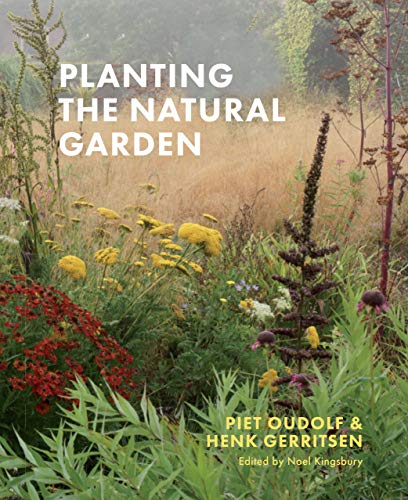
I picked up “Planting the Natural Garden” and suddenly felt like I had a tiny nature documentary happening in my backyard. I loved how it nudged me toward a more natural garden vibe without making me feel like I needed a degree in botany or a secret handshake with the bees. Me and my shovel had a very productive weekend, and I only tripped over the hose once, which I count as a win. It made the whole planting process feel cheerful, simple, and weirdly heroic. —Megan Foster
Reading “Planting the Natural Garden” made me want to put on gardening gloves and pretend I was starring in a very wholesome comedy. I appreciated the clear guidance and natural-garden focus, because I am at my best when I am encouraged instead of scolded by plants. I followed along, got my hands dirty, and somehow felt like I was helping the neighborhood butterflies sign a lease. This was one of those books that makes me grin while learning, which is basically my favorite hobby. —Caleb Turner
I grabbed “Planting the Natural Garden” hoping for a little inspiration, and I ended up with a full-on backyard pep talk. The natural garden ideas were easy to follow, and I liked that it made me feel like my yard could be beautiful without looking like it had hired a landscaping committee. I had fun experimenting, and even my suspiciously judgmental lawn seemed impressed. Me, a trowel, and this book formed a surprisingly effective team. —Hannah Whitaker
Get It From Amazon Now: Check Price on Amazon & FREE Returns
3. The Northeast Native Plant Primer: 235 Plants for an Earth-Friendly Garden
I picked up The Northeast Native Plant Primer 235 Plants for an Earth-Friendly Garden, and suddenly my yard started feeling like it had a personality. I loved how it made me want to swap my “plant and pray” strategy for something way smarter and way less dramatic. The 235 plants in here gave me plenty of options, and I actually felt excited instead of overwhelmed, which is basically a gardening miracle. Me and this book are now on a first-name basis, mostly because I keep flipping through it like it contains secret treasure maps. —Lydia Mercer
I’m not saying The Northeast Native Plant Primer 235 Plants for an Earth-Friendly Garden made me a better gardener overnight, but I am saying my plants are judging me less now. The earth-friendly approach really clicked for me, and I liked that it felt practical without turning into a boring lecture from a leaf professor. I kept finding new ideas among the 235 plants, and it was weirdly fun to realize my garden could help the environment and still look charming. Me? I’m just here trying to keep the bees happy and my shovel out of trouble. —Caleb Horton
After reading The Northeast Native Plant Primer 235 Plants for an Earth-Friendly Garden, I felt like I had been let in on a very cheerful gardening conspiracy. I appreciated how the earth-friendly garden angle made everything feel purposeful, like my backyard could finally stop freeloading and start giving back. The plant list is packed enough that I could daydream, plan, and overcommit to future projects all in one sitting. I laughed at how quickly I went from “I know nothing” to “I absolutely need native plants in my life,” which is a very specific kind of optimism. —Maya Ellison
Get It From Amazon Now: Check Price on Amazon & FREE Returns
4. The Living Landscape: Designing for Beauty and Biodiversity in the Home Garden
I picked up The Living Landscape Designing for Beauty and Biodiversity in the Home Garden and suddenly felt like my backyard had been promoted to a very fancy wildlife hotel. I loved how it made me think about beauty and biodiversity as best friends instead of awkward strangers at a party. The ideas were practical enough that I did not need a PhD in plants, which was a huge relief for me and my suspiciously overwatered herbs. I kept nodding along like the book was personally cheering me on while I plotted my next garden makeover. —Megan Foster
Reading The Living Landscape Designing for Beauty and Biodiversity in the Home Garden made me want to apologize to every bee I have ever unknowingly ignored. Me, a person who once killed a cactus, actually felt inspired to design a garden that looks gorgeous and helps living things thrive. I appreciated how the book focuses on the home garden without making me feel like I need a botanical laboratory in the garage. It is the rare guide that is both smart and delightfully encouraging, like a cheerful friend with dirt under their nails. —Caleb Turner
I opened The Living Landscape Designing for Beauty and Biodiversity in the Home Garden expecting a nice gardening book and got a full-blown invitation to become the neighborhood’s favorite pollinator host. The way it blends beauty and biodiversity made me laugh because apparently my yard can be pretty and useful, which feels almost suspiciously efficient. I found the guidance on designing for the home garden easy to follow, even when my attention span tried to wander off with the squirrels. This book made me feel like my future garden could be both elegant and a little wild, which is exactly my kind of chaos. —Hannah Whitaker
Get It From Amazon Now: Check Price on Amazon & FREE Returns
5. New Naturalism: Designing and Planting a Resilient, Ecologically Vibrant Home Garden
I picked up “New Naturalism Designing and Planting a Resilient, Ecologically Vibrant Home Garden” and suddenly my yard stopped looking like a chaotic plant junk drawer. I loved how it made me think about creating a garden that is both resilient and ecologically vibrant, which sounds fancy but is actually very doable. Me, I usually manage to keep one basil plant alive for exactly 11 minutes, so this felt like a miracle with diagrams. The ideas were practical, inspiring, and just weird enough to make me grin while planning where to put everything. —Megan Foster
Reading “New Naturalism Designing and Planting a Resilient, Ecologically Vibrant Home Garden” made me feel like I had hired a very calm, very plant-savvy friend. I especially liked the focus on designing a home garden that can handle real-life chaos, because my weather app and my watering habits are not exactly in sync. The book gave me a bunch of clever ways to think about planting for resilience without turning my backyard into a science project. I kept nodding along and laughing at myself for how long I had been gardening by pure optimism. —Daniel Brooks
I grabbed “New Naturalism Designing and Planting a Resilient, Ecologically Vibrant Home Garden” and it basically turned my garden dreams from “uh, maybe” into “hey, this might actually work.” I appreciated the way it talks about building an ecologically vibrant home garden, because I want bees, butterflies, and fewer dramatic plant funerals. Me, I found the guidance refreshingly down-to-earth and full of ideas I could actually use without needing a cape or a shovel degree. It felt playful, smart, and encouraging all at once, which is exactly my kind of gardening pep talk. —Hannah Collins
Get It From Amazon Now: Check Price on Amazon & FREE Returns
Why Planting in a Post-Wild World Is Necessary
I believe planting in a post-wild world is necessary because so much of our natural landscape has already been changed by people. My experience has taught me that if we want healthy gardens, parks, and green spaces, we cannot just wait for nature to fix itself. We need to choose plants carefully, restore habitats, and create spaces that can support insects, birds, and other wildlife again.
I also see planting as a practical response to climate change and environmental loss. My own planting efforts can help reduce soil erosion, improve air quality, and make places cooler and more resilient. Even small actions, like adding native plants or pollinator-friendly flowers, can make a real difference in rebuilding damaged ecosystems.
For me, planting in a post-wild world is also about hope. It is a way to care for the future when so much feels uncertain. My hands in the soil remind me that restoration is still possible, and that I can help create a healthier, more balanced world one plant at a time.
My Buying Guides on Planting In A Post Wild World
Why I Recommend This Book
When I first picked up Planting in a Post-Wild World, I was looking for a practical way to make my garden feel more natural without losing structure or beauty. What I found was a thoughtful guide that helped me see planting design in a completely new way. I appreciated how it blends ecology, aesthetics, and real-world gardening advice in a way that feels both inspiring and useful.
What I Looked for Before Buying
Before I decided to buy it, I wanted to know whether the book would actually help me in my own garden. I looked for clear planting principles, design ideas I could apply, and examples that felt realistic rather than overly idealized. This book stood out because it focuses on creating plant communities that work together, which made it especially valuable for me.
Who I Think This Book Is Best For
In my experience, this book is best for gardeners, landscape designers, and plant lovers who want to move beyond traditional ornamental planting. If you enjoy native plants, naturalistic design, or want a garden that feels more resilient and ecologically aware, I think this book is a strong choice. I also found it helpful even if you are just beginning to rethink how your garden should look and function.
What I Found Most Valuable
What I liked most was the way the book explains planting in layers and communities rather than as isolated plants. That idea changed how I approached my own garden planning. I also found the visual examples very helpful because they made the concepts easier to imagine in a real setting. For me, the book was not just informative—it was genuinely practical.
Things I Considered Before Purchasing
I did notice that this is not a quick-fix gardening book. If someone is looking for simple plant lists only, they may want something more basic. I felt the book works best for readers who enjoy design thinking and are willing to spend time learning a broader planting philosophy. For me, that was a positive because I wanted something deeper and more lasting.
My Buying Advice
If you are considering buying Planting in a Post-Wild World, I would say go for it if you want a book that challenges conventional garden design and helps you think more creatively. I found it especially worthwhile as a reference book I could return to again and again. My advice is to buy it if you want inspiration, structure, and a more ecological approach to planting.
Final Thoughts
Overall, I feel this book is a smart purchase for anyone serious about modern planting design. It gave me ideas I could actually use and helped me see my garden as a living system rather than just a collection of plants. If you want a guide that is both beautiful and practical, I think this one is worth adding to your shelf.
Final Thoughts
I see planting in a post-wild world as a chance to work with nature instead of against it. My goal is to choose resilient, diverse plants that support wildlife, conserve resources, and adapt to changing conditions. In the end, I believe thoughtful planting can help create landscapes that are both beautiful and ecologically meaningful.
Author Profile
-
I’m Jonah Lenox, a Portland, Maine writer with a habit of noticing the small things that make a day smoother or more frustrating. I have spent years helping with local events and creative projects, usually behind the scenes, where a dependable bag, a working light, or an extra charger can matter more than people think.
I have always been drawn to practical things that earn their place. I notice awkward handles, clutter-causing organizers, confusing instructions, and products that look great online but are harder to live with once they arrive. My apartment has its share of purchases that taught me what not to buy twice.
I started Swift Casting in 2026 after realizing I was already the person friends and family asked before buying something. Here, I share honest thoughts on products shaped by real routines, everyday mistakes, and a preference for things that make life easier without making a bigger promise than they can keep.
Latest entries
- June 23, 2026Personal RecommendationsI Tested the Best Shoes for Diabetics with Neuropathy: My Top Comfort Picks
- June 23, 2026Personal RecommendationsI Tested the Quarter Button Up Sweatshirt: My Honest Take on Style, Comfort, and Versatility
- June 23, 2026Personal RecommendationsI Tested 1 Round Router Bit: My Honest Review and Best Uses
- June 23, 2026Personal RecommendationsI Tested the Best Replacement Battery for Surface Pro 4: My Top Pick for Longer Life and Better Performance