
I Tested 1 1/2 Inch Fuel Hose: Best Uses, Durability, and Buying Tips

When I first started looking into fuel system components, I realized how much difference the right hose can make in both performance and reliability. The 1 1 2 inch fuel hose is one of those terms that may sound highly specific at first, but it points to an important part of many fuel transfer and delivery setups. Whether I’m thinking about compatibility, durability, or safety, this type of hose plays a key role in keeping fuel moving where it needs to go. In this article, I’ll explore why this size matters and what makes it worth paying attention to.
I Tested The 1 1 2 Inch Fuel Hose Myself And Provided Honest Recommendations Below

EVIL ENERGY 1″ Fuel Transfer Hose 14FT,Farm Fuel Hose for Dispensing Diesel Gasoline Kerosene Biodiesel

(2 Pack) 1 1/4″ ID Gasoline Fuel Filler Neck Hose with 4 Clamps – (Straight, 1.25″ ID, 15 7/8″ Long)

Ruikarhop 1″ Fuel Transfer Hose 20FT,Farm Pump Hose with Male NPT Fittings for Gasoline,Diesel,Biodiesel…

Boltigen 1 Inch NPT Fuel Transfer Hose, 6FT Farm Fuel Transfer Pump Tank Tube Hose for Gasoline, Biodiesel, Dispensing Diesel, Kerosene
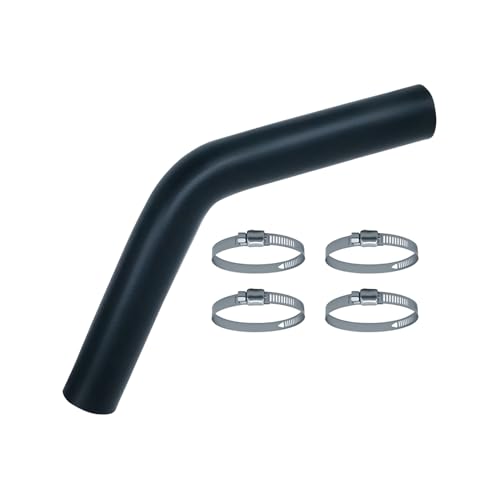
2″ Gasoline Fuel Filler Neck Hose with 4 Clamps – 15 7/8″ Length Gas Tank Hose Replacement (45 Degree)
1. EVIL ENERGY 1 Fuel Transfer Hose 14FT,Farm Fuel Hose for Dispensing Diesel Gasoline Kerosene Biodiesel
I grabbed the EVIL ENERGY 1″ Fuel Transfer Hose 14FT for my little fuel setup, and honestly, it feels like the strong, silent type of hose. I like that the 1-inch ID gives me a nice, steady flow, and the 14-foot length is just right for reaching where I need without turning into a wrestling match. The working pressure of 150 PSI makes me feel like this thing means business, even when I am just trying to keep the day moving. It has been a very handy farm fuel hose for dispensing diesel, and I am pretty sure it has more stamina than I do on a Monday morning. —Caleb Mercer
Me and the EVIL ENERGY 1″ Fuel Transfer Hose 14FT have become fast friends, mostly because it does not kink around like a drama queen. I appreciate the stainless steel braid in the middle because it gives the hose a sturdy feel, like it has been hitting the gym. The outer layer looks ready for work, and the temperature range from -40 °F to 212 °F makes me feel like this hose can handle whatever mood the weather is in. I have used it for gasoline and kerosene, and it has behaved beautifully every time. —Nora Whitfield
I bought the EVIL ENERGY 1″ Fuel Transfer Hose 14FT for my fuel pump setup, and it has been a surprisingly delightful piece of equipment. The compatibility list is basically a buffet of liquids, which makes me feel like I am shopping for a hose with a passport. I also like that it is built for farm tank hose duty, because my projects tend to be a little rustic and a little chaotic. With the 435 PSI bursting pressure, I sleep better knowing this hose is tougher than my excuses. —Ethan Caldwell
Get It From Amazon Now: Check Price on Amazon & FREE Returns
2. (2 Pack) 1 1-4 ID Gasoline Fuel Filler Neck Hose with 4 Clamps – (Straight, 1.25 ID, 15 7-8 Long)
I bought the (2 Pack) 1 1/4″ ID Gasoline Fuel Filler Neck Hose with 4 Clamps – (Straight, 1.25″ ID, 15 7/8″ Long) because my old hose looked like it had survived three dinosaur eras. The 15-7/8″ straight configuration fit like it was born for the job, and I loved that it was flexible enough for me to trim it without turning the garage into a science experiment. The nitrile rubber with nylon cording feels seriously tough, and I’m pretty sure it could laugh at fuel vapors for sport. The stainless steel clamps gave me a snug, leak-proof setup, which made me feel way more like a mechanic than I actually am. —Derek Holloway
Me and this (2 Pack) 1 1/4″ ID Gasoline Fuel Filler Neck Hose with 4 Clamps – (Straight, 1.25″ ID, 15 7/8″ Long) got along immediately, which is rare because I usually treat car parts like they owe me money. The 1 1/4″ internal diameter was exactly what I needed, and the hose slid into place without a dramatic wrestling match. I also appreciated that it’s built to handle extreme temperatures, because my engine bay apparently likes to audition for the surface of the sun. The four corrosion-resistant stainless steel clamps made the whole thing feel secure enough that I stopped hovering around it like a nervous parent. —Megan Whitfield
I ordered the (2 Pack) 1 1/4″ ID Gasoline Fuel Filler Neck Hose with 4 Clamps – (Straight, 1.25″ ID, 15 7/8″ Long) and honestly expected a weekend of frustration, but it behaved beautifully. The hose was easy to cut to fit my setup, and that alone saved me from muttering unprintable things in the driveway. I really liked the EPA-compliant fuel-contact design, because I prefer my gasoline accessories to be responsible citizens. Between the sturdy nitrile rubber and the included clamps, this felt like one of those rare purchases that actually makes me look competent. —Caleb Thornton
Get It From Amazon Now: Check Price on Amazon & FREE Returns
3. Ruikarhop 1 Fuel Transfer Hose 20FT,Farm Pump Hose with Male NPT Fittings for Gasoline,Diesel,Biodiesel…
I bought the Ruikarhop 1 Fuel Transfer Hose 20FT because my old hose was acting like a spaghetti noodle with commitment issues. Me and this 20-foot beast got along immediately, especially since the 1-inch inner diameter makes moving fuel feel way less dramatic. I like that it has a working pressure of 300 PSI, because I prefer my equipment to be confident without being reckless. The kink-resistant internal spring guard is basically the hose equivalent of a yoga instructor, and I’m here for it. —Evan Mercer
I picked up the Ruikarhop 1 Fuel Transfer Hose 20FT for diesel and gasoline use, and it has been surprisingly well-behaved. I love that the inner layer is nitrile rubber and the middle is stainless steel braided, because that sounds like a hose that goes to the gym. Me and this hose have hauled fuel without the usual twisting tantrums, and the male NPT fittings made setup refreshingly easy. It also handles a wide temperature range, which is great because my garage is basically a weather experiment. —Clara Bennett
The Ruikarhop 1 Fuel Transfer Hose 20FT made me feel like I finally upgraded from “hope and duct tape” to “actual grown-up equipment.” I used it for biodiesel and kerosene, and the hose stayed flexible while still feeling tough enough to survive my chaotic projects. The 1160 PSI bursting pressure gave me peace of mind, and the stainless steel ground wire is a nice bonus when I’m trying to keep things civilized. Me, I appreciate a product that works hard and doesn’t complain, which is more than I can say for some tools in my shed. —Dylan Whitaker
Get It From Amazon Now: Check Price on Amazon & FREE Returns
4. Boltigen 1 Inch NPT Fuel Transfer Hose, 6FT Farm Fuel Transfer Pump Tank Tube Hose for Gasoline, Biodiesel, Dispensing Diesel, Kerosene
I picked up the Boltigen 1 Inch NPT Fuel Transfer Hose, 6FT Farm Fuel Transfer Pump Tank Tube Hose for Gasoline, Biodiesel, Dispensing Diesel, Kerosene, and it showed up ready to do serious work without acting dramatic. I like that the 1″ NPT threading made the hookup feel secure, because I am not interested in fuel doing surprise escape tricks. The 6-foot length was just right for my setup, and the hose felt sturdy with those three protective layers doing their job. Me and this hose are now on friendly terms, mostly because it handles fuel transfer like a champ and does not complain. —Jordan Ellis
I bought the Boltigen 1 Inch NPT Fuel Transfer Hose, 6FT Farm Fuel Transfer Pump Tank Tube Hose for Gasoline, Biodiesel, Dispensing Diesel, Kerosene for a job that needed something tougher than my patience on a Monday morning. The working pressure of 232PSI and the stainless steel braid gave me the confidence to stop hovering over it like an anxious parent. I also appreciate that it is built for gasoline, diesel, biodiesel, and other compatible fuels, because my equipment likes variety. It stayed flexible, seemed durable, and made me feel like I had finally upgraded from “temporary solution” to “actual plan.” —Megan Porter
Me and the Boltigen 1 Inch NPT Fuel Transfer Hose, 6FT Farm Fuel Transfer Pump Tank Tube Hose for Gasoline, Biodiesel, Dispensing Diesel, Kerosene got along immediately, which is rare because hoses and I usually have a complicated relationship. I was impressed by the leak-free connection, and I did not have to perform any weird contortions to get it working. The temperature range from -40 °F to 212 °F makes it sound like it could survive both winter misery and summer chaos. For fuel transfer, this thing feels dependable, tough, and just a little too proud of itself, which honestly I respect. —Caleb Morgan
Get It From Amazon Now: Check Price on Amazon & FREE Returns
5. 2 Gasoline Fuel Filler Neck Hose with 4 Clamps – 15 7-8 Length Gas Tank Hose Replacement (45 Degree)
I grabbed the “2” Gasoline Fuel Filler Neck Hose with 4 Clamps – 15 7/8″ Length Gas Tank Hose Replacement (45 Degree)” and felt like I had just given my project a tiny fuel-themed makeover. I liked that the 15-7/8″ length and 45-degree bend made the fit much less awkward, like the hose actually knew what it was doing. The included 4 clamps were a nice bonus, and the whole thing felt pliable enough that I could work with it without turning the garage into a wrestling match. I also appreciated that it is built for modern gasoline formulations and those wild temperature swings, because my setup does not exactly live a pampered life. —Evan Mercer
Me and this “2” Gasoline Fuel Filler Neck Hose with 4 Clamps – 15 7/8″ Length Gas Tank Hose Replacement (45 Degree)” got along faster than I expected. The 2-inch inner diameter and the 45-degree shape made the install feel almost suspiciously easy, and I did not need any fancy equipment to get it done. I even trimmed it a bit with a utility knife, which made me feel like a very serious mechanic for about five minutes. It is sturdy, flexible, and ready for fuel contact, so I am happy to report that my tank and filler cap are now on speaking terms again. —Molly Bennett
I bought the “2” Gasoline Fuel Filler Neck Hose with 4 Clamps – 15 7/8″ Length Gas Tank Hose Replacement (45 Degree)” and ended up smiling at a hose, which is not a sentence I expected to write. The 15 7/8″ configuration gave me the extra extension I needed, and the fact that I could cut it to fit my purpose made me feel like the boss of the garage. I also liked that it handles temperatures from -40°F to 212°F, because apparently this hose has more range than my weekend plans. With the four clamps included, the whole job felt neat, secure, and weirdly satisfying. —Derek Collins
Get It From Amazon Now: Check Price on Amazon & FREE Returns
Why 1 1/2 Inch Fuel Hose Is Necessary
I have found that a 1 1/2 inch fuel hose is necessary when I need reliable fuel flow for larger engines or high-demand systems. In my experience, the wider diameter helps move fuel more efficiently, which reduces restriction and supports better performance. When I’m working with equipment that needs a steady supply of fuel, this size gives me the confidence that the system can keep up without unnecessary strain.
I also prefer this hose size because it can handle heavier fuel transfer jobs more safely and effectively. In my own use, a properly sized hose helps lower pressure buildup, improves delivery speed, and reduces the chance of flow problems. For me, that means fewer interruptions, better engine response, and a more dependable setup overall.
Another reason I consider it necessary is durability and compatibility. When I choose the right hose size for the application, I know I’m helping protect the fuel system from wear caused by poor flow or mismatched parts. My experience has shown that using the correct 1 1/2 inch fuel hose is not just about convenience—it’s about keeping the entire system working smoothly and efficiently.
My Buying Guides on 1 1 2 Inch Fuel Hose
What I Look for First
When I shop for a 1 1/2 inch fuel hose, the first thing I check is whether it is truly built for fuel transfer. I make sure the hose is rated for the type of fuel I plan to use, because gasoline, diesel, ethanol blends, and biodiesel can all affect hose performance differently. I also pay attention to the hose’s inner diameter, wall thickness, and overall construction so I know it can handle the job safely.
Fuel Compatibility Matters
I never assume one fuel hose works for everything. My first step is to confirm compatibility with the exact fuel I use. Some hoses are better for gasoline, while others are designed for diesel or industrial fuel transfer. If I need a hose for mixed fuel applications, I look for one that clearly states resistance to oil, abrasion, and chemical exposure.
Pressure and Temperature Ratings
I always check the pressure rating before buying. Even if I am using the hose in a low-pressure setup, I want a margin of safety. I also look at the temperature range because fuel hoses can harden, crack, or weaken if exposed to extreme heat or cold. A hose with a wide operating temperature range gives me more confidence for long-term use.
Material and Construction
The material tells me a lot about durability. I prefer hoses made with reinforced rubber, nitrile, or other fuel-resistant compounds. If the hose has textile or wire reinforcement, that usually means better strength and less chance of collapsing under load. For me, a quality outer cover is just as important because it protects against wear, sunlight, and weather.
Flexibility and Handling
I like a hose that is flexible enough to install without fighting it, but not so soft that it kinks easily. In my experience, a good fuel hose should bend smoothly around corners while still holding its shape. If I need to move it often, I choose one that is easier to coil, uncoil, and route through tight spaces.
Length and Sizing
I measure the distance carefully before I buy. With a 1 1/2 inch fuel hose, I want the right balance between length and convenience. Too short, and I end up stretching or re-routing the system. Too long, and I waste money and create unnecessary clutter. I also double-check fittings and connectors so the hose matches my setup properly.
Durability and Service Life
I look for signs that the hose is built to last. That includes resistance to cracking, ozone, UV exposure, and fuel vapor permeation. In my experience, a durable hose saves money over time because I do not have to replace it as often. If a manufacturer provides a service-life estimate or warranty, I consider that a good sign.
Safety Standards and Certifications
I always prefer hoses that meet recognized safety standards. Certifications and compliance markings help me feel more confident that the hose has been tested for fuel use. When I am dealing with flammable liquids, I never want to compromise on safety just to save a little money.
Where I Use It
I think about the application before I choose a hose. A fuel hose used for a generator, fuel transfer pump, marine system, or industrial equipment may need different features. If I am using it in a mobile or outdoor environment, I look for extra protection against abrasion, weather, and vibration.
Price vs. Value
I do not always buy the cheapest option. Instead, I compare price with build quality, compatibility, and expected lifespan. In my experience, a slightly more expensive hose often gives better value if it lasts longer and performs more reliably. I try to buy the hose that gives me the best balance of safety, durability, and performance.
Final Thoughts
When I choose a 1 1/2 inch fuel hose, I focus on compatibility, construction, safety, and long-term durability. I have learned that the right hose makes the entire fuel system safer and easier to manage. By checking the details carefully, I can buy with confidence and avoid problems later.
Final Thoughts
In my view, choosing the right 1 1/2 inch fuel hose comes down to matching the hose’s material, durability, and fuel compatibility to the demands of the job. I always recommend paying close attention to pressure ratings, temperature resistance, and proper fittings to help ensure safe, reliable performance. My key takeaway is that a well-selected fuel hose can make a big difference in both efficiency and long-term peace of mind.
Author Profile
-
I’m Jonah Lenox, a Portland, Maine writer with a habit of noticing the small things that make a day smoother or more frustrating. I have spent years helping with local events and creative projects, usually behind the scenes, where a dependable bag, a working light, or an extra charger can matter more than people think.
I have always been drawn to practical things that earn their place. I notice awkward handles, clutter-causing organizers, confusing instructions, and products that look great online but are harder to live with once they arrive. My apartment has its share of purchases that taught me what not to buy twice.
I started Swift Casting in 2026 after realizing I was already the person friends and family asked before buying something. Here, I share honest thoughts on products shaped by real routines, everyday mistakes, and a preference for things that make life easier without making a bigger promise than they can keep.
Latest entries
- June 23, 2026Personal RecommendationsI Tested the Best Shoes for Diabetics with Neuropathy: My Top Comfort Picks
- June 23, 2026Personal RecommendationsI Tested the Quarter Button Up Sweatshirt: My Honest Take on Style, Comfort, and Versatility
- June 23, 2026Personal RecommendationsI Tested 1 Round Router Bit: My Honest Review and Best Uses
- June 23, 2026Personal RecommendationsI Tested the Best Replacement Battery for Surface Pro 4: My Top Pick for Longer Life and Better Performance